


- Retrait en 2 heures
- Assortiment impressionnant
- Paiement sécurisé
- Toujours un magasin près de chez vous
- Retrait en 2 heures
- Assortiment impressionnant
- Paiement sécurisé
- Toujours un magasin près de chez vous



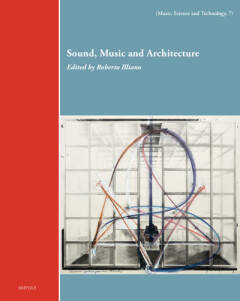
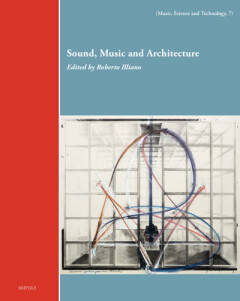
Sound, Music and Architecture
Roberto Illiano
153,70 €
+ 307 points
Description
This book traces the relationship between sound, music and architecture from the Middle Ages to the 21st century. The first part of this volume deals with the physical relationship between music and architecture, focussing on the intersection between rite, sound and architecture in ecclesiastical spaces such as the Cathedral of Notre-Dame de Paris, the churches of medieval Sicily, the liturgical spaces of 15th-17th-century France and the Roman churches in the Baroque era. A substantial article by Richard Bosel presents a comprehensive panorama of music rooms and concert halls, starting from the archetypes conceived in the Early Modern Age and concluding with their present-day configurations. The last article of this section is dedicated to the Festspielhaus located in Hellerau (Dresden), based on the documentary sources and the writing of the protagonists, in particular Emile Jaques-Dalcroze and Adolphe Appia. The theme continues in the second part of the book with the examination of the historical relationship between architecture and acoustic knowledge in the age of modernity. Moreover, the following chapter explores the architectural idea of designing for musical tone as it found expression in the early decades of the twentieth century. The last two articles of this section explore Leo Beranek's research regarding the quality of musical spaces in the history of modern science, and the experimentations of the architect Bernard Leitner with his Soundcube. The last part of the book will focus on Music as an 'art of space', exploring installations and musical experimentations by composers such as Xenakis, Jean-Luc Herve and John Chowning.
Spécifications
Parties prenantes
- Auteur(s) :
- Editeur:
Contenu
- Nombre de pages :
- 440
- Langue:
- Français
- Collection :
- Tome:
- n° 7
Caractéristiques
- EAN:
- 9782503611839
- Date de parution :
- 13-06-2024
- Format:
- Livre relié
- Format numérique:
- Genaaid
- Poids :
- 789 g


Seulement chez Librairie Club
+ 307 points sur votre carte client de Librairie Club
Cadeau


Les avis
Nous publions uniquement les avis qui respectent les conditions requises. Consultez nos conditions pour les avis.