


En raison d'une grève chez bpost, des retards de livraison peuvent survenir. Besoin de quelque chose en urgence ? Optez pour un retrait en magasin ou rendez-vous dans une Librairie Club à proximité.
- Retrait en 2 heures
- Assortiment impressionnant
- Paiement sécurisé
- Toujours un magasin près de chez vous
En raison d'une grève chez bpost, des retards de livraison peuvent survenir. Besoin de quelque chose en urgence ? Optez pour un retrait en magasin ou rendez-vous dans une Librairie Club à proximité.
- Retrait en 2 heures
- Assortiment impressionnant
- Paiement sécurisé
- Toujours un magasin près de chez vous

Description
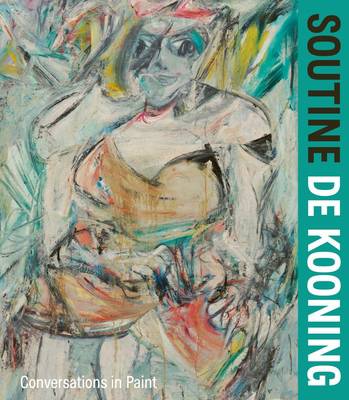
“I’ve always been crazy about Soutine – all of his paintings,” said the Dutch-American abstract expressionist Willem de Kooning (1904–1997) in 1977. How much de Kooning’s approach was due to the influence of Lithuanian artist Chaim Soutine
(1893–1943) is examined in this exhibition catalogue, in which the two artists are dramatically juxtaposed.
This book accompanies an exhibition organized by the Musée de l’Orangerie, Paris, and The Barnes Foundation, Philadelphia, dedicated to the affinities between the work of Chaim Soutine and Willem de Kooning. It was Dr Alfred Barnes who had made
Soutine’s career by buying the bulk of the unknown artist’s available work in Paris in 1923. The exhibition and accompanying publication will show how the work of Soutine had a decisive influence on the development of de Kooning’s art, especially following Soutine’s posthumous retrospective held at The Museum of Modern Art in 1950.
The expressive force of Soutine’s painting, coupled with his image as an ‘accursed’ (maudit) artist struggling with the vicissitudes and excesses of bohemian life in Paris during the interwar years, exerted a particular influence on a new generation of postwar painters in the United States. In 1977 de Kooning emphatically declared: “I think I would choose Soutine [as my favourite artist] .... I’ve always been crazy about Soutine – all of his paintings”. Of all the Abstract Expressionists, de Kooning was the only one who continued to praise Soutine throughout his career and to credit him with an
influence on his work. De Kooning very likely first discovered Soutine’s work before the Second World War in the New York galleries. Indeed, his figure paintings of the 1940s with their distortion and sense of compression already shared characteristics
with Soutine’s figures painted of two decades earlier. A significant turning point in de Kooning’s work, evident in his celebrated series of Women paintings of the early 1950s, coincides with his in-depth study of the artistic world of Soutine at both The Modern’s retrospective and his visit to the Barnes Foundation with his wife Elaine de Kooning
in June 1952. It was during these years that the Dutch-American artist matured his own personal form of expressionism, which, with its visceral brushstrokes and heavy impasto, lies somewhere between figuration and abstraction.
(1893–1943) is examined in this exhibition catalogue, in which the two artists are dramatically juxtaposed.
This book accompanies an exhibition organized by the Musée de l’Orangerie, Paris, and The Barnes Foundation, Philadelphia, dedicated to the affinities between the work of Chaim Soutine and Willem de Kooning. It was Dr Alfred Barnes who had made
Soutine’s career by buying the bulk of the unknown artist’s available work in Paris in 1923. The exhibition and accompanying publication will show how the work of Soutine had a decisive influence on the development of de Kooning’s art, especially following Soutine’s posthumous retrospective held at The Museum of Modern Art in 1950.
The expressive force of Soutine’s painting, coupled with his image as an ‘accursed’ (maudit) artist struggling with the vicissitudes and excesses of bohemian life in Paris during the interwar years, exerted a particular influence on a new generation of postwar painters in the United States. In 1977 de Kooning emphatically declared: “I think I would choose Soutine [as my favourite artist] .... I’ve always been crazy about Soutine – all of his paintings”. Of all the Abstract Expressionists, de Kooning was the only one who continued to praise Soutine throughout his career and to credit him with an
influence on his work. De Kooning very likely first discovered Soutine’s work before the Second World War in the New York galleries. Indeed, his figure paintings of the 1940s with their distortion and sense of compression already shared characteristics
with Soutine’s figures painted of two decades earlier. A significant turning point in de Kooning’s work, evident in his celebrated series of Women paintings of the early 1950s, coincides with his in-depth study of the artistic world of Soutine at both The Modern’s retrospective and his visit to the Barnes Foundation with his wife Elaine de Kooning
in June 1952. It was during these years that the Dutch-American artist matured his own personal form of expressionism, which, with its visceral brushstrokes and heavy impasto, lies somewhere between figuration and abstraction.
Spécifications
Parties prenantes
- Auteur(s) :
- Editeur:
Contenu
- Nombre de pages :
- 176
- Langue:
- Anglais
Caractéristiques
- EAN:
- 9781911300885
- Date de parution :
- 05-02-21
- Format:
- Livre relié
- Dimensions :
- 286 mm x 254 mm
- Poids :
- 1128 g


Seulement chez Librairie Club
Cadeau


Les avis
Nous publions uniquement les avis qui respectent les conditions requises. Consultez nos conditions pour les avis.