


Nous rencontrons actuellement des difficultés pour activer les ebooks. Par conséquent, la mise à disposition des ebooks que vous avez achetés pourrait prendre un peu plus de temps. Vous recevrez automatiquement un message dès que ce sera fait.
- Retrait en 2 heures
- Assortiment impressionnant
- Paiement sécurisé
- Toujours un magasin près de chez vous
Nous rencontrons actuellement des difficultés pour activer les ebooks. Par conséquent, la mise à disposition des ebooks que vous avez achetés pourrait prendre un peu plus de temps. Vous recevrez automatiquement un message dès que ce sera fait.
- Retrait en 2 heures
- Assortiment impressionnant
- Paiement sécurisé
- Toujours un magasin près de chez vous



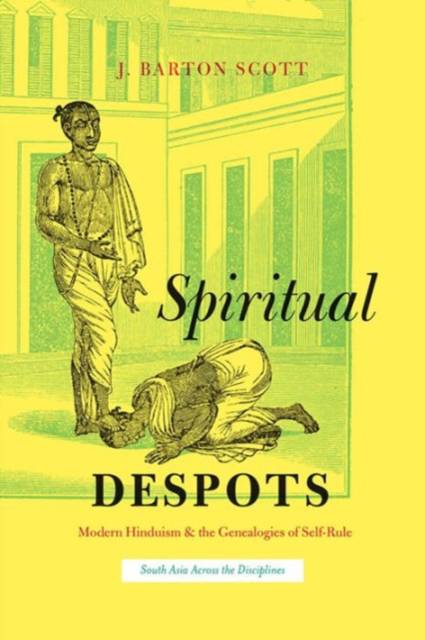
Description
Historians of religion have examined at length the Protestant Reformation and the liberal idea of the self-governing individual that arose from it. In Spiritual Despots, J. Barton Scott reveals an unexamined piece of this story: how Protestant technologies of asceticism became entangled with Hindu spiritual practices to create an ideal of the "self-ruling subject" crucial to both nineteenth-century reform culture and early twentieth-century anticolonialism in India. Scott uses the quaint term "priestcraft" to track anticlerical polemics that vilified religious hierarchy, celebrated the individual, and endeavored to reform human subjects by freeing them from external religious influence. By drawing on English, Hindi, and Gujarati reformist writings, Scott provides a panoramic view of precisely how the specter of the crafty priest transformed religion and politics in India. Through this alternative genealogy of the self-ruling subject, Spiritual Despots demonstrates that Hindu reform movements cannot be understood solely within the precolonial tradition, but rather need to be read alongside other movements of their period. The book's focus moves fluidly between Britain and India--engaging thinkers such as James Mill, Keshub Chunder Sen, Max Weber, Karsandas Mulji, Helena Blavatsky, M. K. Gandhi, and others--to show how colonial Hinduism shaped major modern discourses about the self. Throughout, Scott sheds much-needed light how the rhetoric of priestcraft and practices of worldly asceticism played a crucial role in creating a new moral and political order for twentieth-century India and demonstrates the importance of viewing the emergence of secularism through the colonial encounter.
Spécifications
Parties prenantes
- Auteur(s) :
- Editeur:
Contenu
- Nombre de pages :
- 280
- Langue:
- Anglais
- Collection :
Caractéristiques
- EAN:
- 9780226368672
- Date de parution :
- 19-07-16
- Format:
- Livre relié
- Format numérique:
- Genaaid
- Dimensions :
- 155 mm x 226 mm
- Poids :
- 498 g


Seulement chez Librairie Club
Cadeau


Les avis
Nous publions uniquement les avis qui respectent les conditions requises. Consultez nos conditions pour les avis.