


- Retrait en 2 heures
- Assortiment impressionnant
- Paiement sécurisé
- Toujours un magasin près de chez vous
- Retrait en 2 heures
- Assortiment impressionnant
- Paiement sécurisé
- Toujours un magasin près de chez vous



19,99 €
+ 19 points
Description
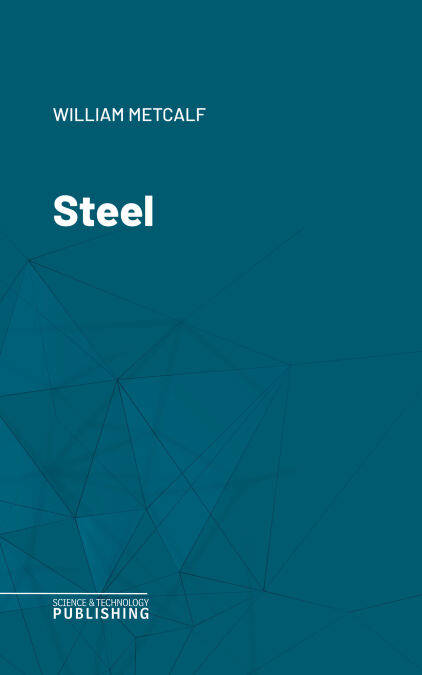
Steel is a compelling novel by Charles Rumford Walker, first published in 1925, that offers a vivid and immersive portrayal of life in the American steel industry during the early twentieth century. Set in the fictional city of Ironton, the story delves deep into the lives of the men and women whose destinies are shaped by the relentless demands of the steel mills. Through the eyes of its protagonist, John Ordway, a young and idealistic college graduate who takes a job as a laborer, the novel explores the harsh realities, camaraderie, and struggles of the working class. Walker’s narrative is rich with authentic detail, capturing the noise, heat, and danger of the mills, as well as the social and economic forces that drive both management and labor. The novel examines themes of industrialization, class conflict, and the pursuit of the American Dream, as Ordway becomes increasingly aware of the complexities and injustices of the system. He witnesses firsthand the grueling conditions faced by immigrant workers, the tensions between labor and management, and the personal sacrifices required to survive in such an unforgiving environment. Steel is not only a story of industry but also a human drama, filled with memorable characters whose hopes, fears, and ambitions reflect the broader struggles of a rapidly changing America. Walker’s prose is both powerful and compassionate, offering a nuanced perspective on the costs and consequences of progress. The novel stands as a significant work of social realism, providing readers with an unflinching look at the world of steel and the people who built it.
Spécifications
Parties prenantes
- Auteur(s) :
- Editeur:
Contenu
- Langue:
- Anglais
Caractéristiques
- EAN:
- 9782528122402
- Date de parution :
- 31-08-25
- Format:
- Ebook
- Protection digitale:
- /
- Format numérique:
- ePub


Seulement chez Librairie Club
+ 19 points sur votre carte client de Librairie Club
Cadeau


Les avis
Nous publions uniquement les avis qui respectent les conditions requises. Consultez nos conditions pour les avis.