


- Retrait en 2 heures
- Assortiment impressionnant
- Paiement sécurisé
- Toujours un magasin près de chez vous
- Retrait en 2 heures
- Assortiment impressionnant
- Paiement sécurisé
- Toujours un magasin près de chez vous


13,95 €
+ 27 points
Description
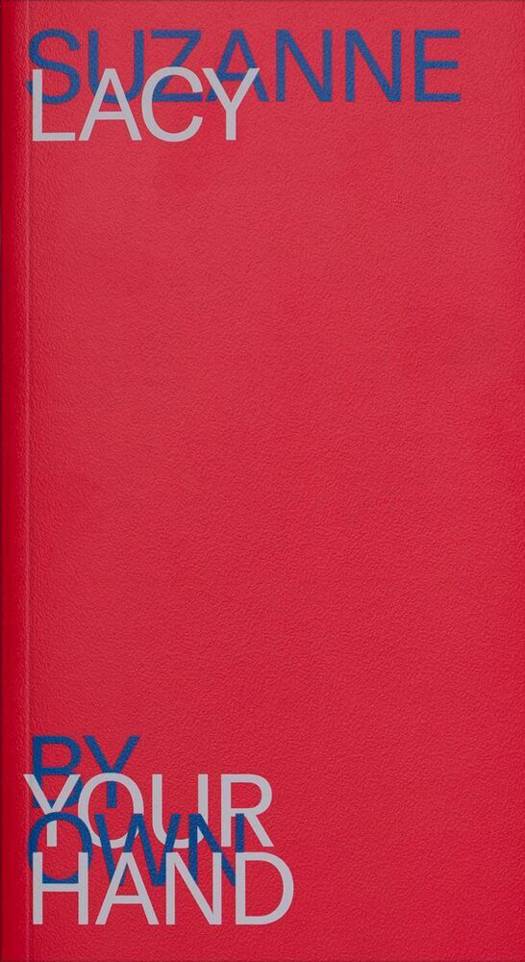
Suzanne Lacy's participative works show the transformative power of art and its potential to initiate social debates. As one of the leading voices of the feminist art movement of the 1970s, Lacy developed social practice, a new model that combined art and social action. In the early 1970s, at an extraordinarily early stage, Lacy addressed sexualized violence in her artwork. In 1972 she organized Ablutions (with Judy Chicago, Sandra Orgel, and Aviva Rahmani), a performance to address rape from the perspective of people who identify as women. Of special note is Three Weeks in May, a three-week performance that revolves around reported rapes in Los Angeles. With these early works, Lacy and her colleagues were pioneers, both artistically and socially, in making gender-based violence a matter of public discussion from a decidedly female perspective. In her works the victims were given a voice and the patriarchal social causes of this violence were named.This small publication accompanies the exhibition at Museum Tinguely that highlights the global relevance and topicality of the subject. Lacy shows a video installation based on her participatory and dialogic performance from 2015. The artist was invited to develop a performance that allowed the letters collected within the scope of the Cartas de Mujeres campaign (2011-12) to receive public attention and acknowledgment. It was a project dedicated to fighting violence against women. The performance, an event with five acts and around four hundred people who identify as men, took place in Quito on November 25, 2015, the International Day for the Elimination of Violence Against Women. The publication includes a scholarly article and an interview of the curator, Sandra Beate Reimann, with the artist.
Spécifications
Parties prenantes
- Auteur(s) :
- Editeur:
Contenu
- Langue:
- Anglais, Allemand
Caractéristiques
- EAN:
- 9783991531739
- Format:
- Livre broché
- Dimensions :
- 110 mm x 200 mm


Seulement chez Librairie Club
+ 27 points sur votre carte client de Librairie Club
Cadeau

Cadeau


Les avis
Nous publions uniquement les avis qui respectent les conditions requises. Consultez nos conditions pour les avis.