


- Retrait en 2 heures
- Assortiment impressionnant
- Paiement sécurisé
- Toujours un magasin près de chez vous
- Retrait en 2 heures
- Assortiment impressionnant
- Paiement sécurisé
- Toujours un magasin près de chez vous



25,95 €
+ 51 points
Description
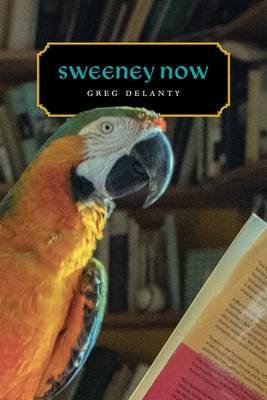
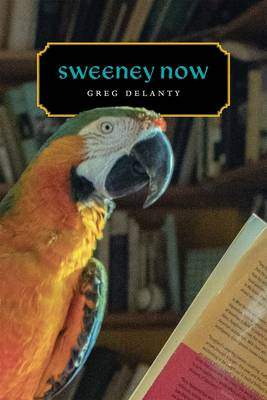
Sweeney Now, a new book from the celebrated Irish poet Greg Delanty, is based on the twelfth-century texts of the middle Irish poem Buile Shuibhne (The Frenzy of Sweeney), a sequence in both verse and prose, which Delanty uses as a blueprint, a mythic foundation to tell and review what it is like to be a deracinated person and poet today, spending much of his time away from his native Ireland in the U.S.
In the original, Sweeney, the archetypal poet of Irish myth, is driven mad as a consequence of a curse imposed on him. He sprouts wings and takes flight, exiles himself to the wilderness, where he spends many years alone, naked or sparsely clothed, ostracized by the outside world, living in trees, bemoaning his fate, celebrating nature, intermittently recovering his sanity, conversing with a fellow madman, and grieving this kindred spirit in moving elegies on the latter's death. Sweeney is also portrayed as somewhat of an amateur seer and converses with various visitors to whom he relates his plight and thoughts. Throughout the story he thinks of himself as a bird. Delanty's Sweeney riffs on these situations and predicaments in settings drawn from the modern literary and political world. The Sweeney of these often humorous poems should not be literally mistaken for Delanty himself--not entirely, that is. The poems are more like carnival mirrors, with the concomitant exaggerations, distortions, and partial truths of most any reflective autobiography.Spécifications
Parties prenantes
- Auteur(s) :
- Editeur:
Contenu
- Nombre de pages :
- 88
- Langue:
- Anglais
Caractéristiques
- EAN:
- 9780807187357
- Date de parution :
- 10-09-26
- Format:
- Livre broché
- Format numérique:
- Trade paperback (VS)
- Dimensions :
- 152 mm x 229 mm
- Poids :
- 127 g


Seulement chez Librairie Club
+ 51 points sur votre carte client de Librairie Club
Cadeau


Les avis
Nous publions uniquement les avis qui respectent les conditions requises. Consultez nos conditions pour les avis.