


- Retrait en 2 heures
- Assortiment impressionnant
- Paiement sécurisé
- Toujours un magasin près de chez vous
- Retrait en 2 heures
- Assortiment impressionnant
- Paiement sécurisé
- Toujours un magasin près de chez vous



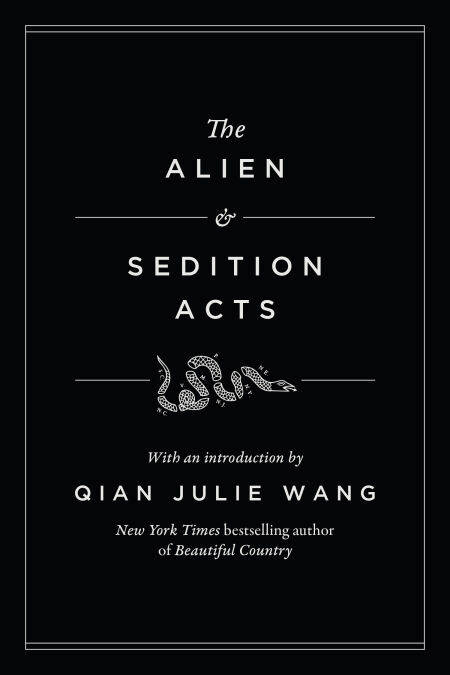
The Alien and Sedition Acts EBOOK
13,88 €
+ 13 points
Format
Description
New York Times bestselling author and civil rights lawyer Qian Julie Wang introduces the highly controversial Alien and Sedition Acts, which have been used to justify the curtailing of basic freedoms from the Revolutionary Era through the present day.
In the summer of 1798, backed by President John Adams, the United States Congress passed a series of laws that would come to be known as the Alien and Sedition Acts, testing the limits of a Constitution barely a decade old. Passed in anticipation of an impending war with France, the three alien laws—the Naturalization Act, the Alien Friends Act, and the Alien Enemies Act—extended the waiting period for naturalization from five years to fourteen and authorized the detention and expulsion of noncitizens, while the Sedition Act placed a federal ban on the publication of any antigovernment writings.
Objections were passionate and swift. The Kentucky Resolutions of 1798, penned by Vice President Thomas Jefferson, warned that the “friendless alien has been selected as the safest subject of a first experiment; but the citizen will soon follow.” Yet while three out of the four laws were soon repealed or allowed to expire, the Alien Enemies Act is still in effect today. Though it has been invoked sparingly, it was the basis for Japanese American internment during World War II—and for President Donald Trump’s deportation of Venezuelan immigrants to a maximum-security prison in El Salvador during the first one hundred days of his second term.
The questions raised by the Alien and Sedition Acts at the end of the eighteenth century—about immigration, the rights of the people in a time of war, the power of the government to define matters of national security, freedom of speech, freedom of the press—are still very much matters for concern and debate today. In her introduction to these founding documents, New York Times bestselling author and civil rights litigator Qian Julie Wang offers a vital perspective on the origins and long legal history of these ideas in the United States.
In the summer of 1798, backed by President John Adams, the United States Congress passed a series of laws that would come to be known as the Alien and Sedition Acts, testing the limits of a Constitution barely a decade old. Passed in anticipation of an impending war with France, the three alien laws—the Naturalization Act, the Alien Friends Act, and the Alien Enemies Act—extended the waiting period for naturalization from five years to fourteen and authorized the detention and expulsion of noncitizens, while the Sedition Act placed a federal ban on the publication of any antigovernment writings.
Objections were passionate and swift. The Kentucky Resolutions of 1798, penned by Vice President Thomas Jefferson, warned that the “friendless alien has been selected as the safest subject of a first experiment; but the citizen will soon follow.” Yet while three out of the four laws were soon repealed or allowed to expire, the Alien Enemies Act is still in effect today. Though it has been invoked sparingly, it was the basis for Japanese American internment during World War II—and for President Donald Trump’s deportation of Venezuelan immigrants to a maximum-security prison in El Salvador during the first one hundred days of his second term.
The questions raised by the Alien and Sedition Acts at the end of the eighteenth century—about immigration, the rights of the people in a time of war, the power of the government to define matters of national security, freedom of speech, freedom of the press—are still very much matters for concern and debate today. In her introduction to these founding documents, New York Times bestselling author and civil rights litigator Qian Julie Wang offers a vital perspective on the origins and long legal history of these ideas in the United States.
Spécifications
Parties prenantes
- Editeur:
Contenu
- Nombre de pages :
- 176
- Langue:
- Anglais
- Collection :
Caractéristiques
- EAN:
- 9798217155231
- Date de parution :
- 27-10-25
- Format:
- Ebook
- Protection digitale:
- Adobe DRM
- Format numérique:
- ePub

Seulement chez Librairie Club
+ 13 points sur votre carte client de Librairie Club
Cadeau


Les avis
Nous publions uniquement les avis qui respectent les conditions requises. Consultez nos conditions pour les avis.