


- Retrait en 2 heures
- Assortiment impressionnant
- Paiement sécurisé
- Toujours un magasin près de chez vous
- Retrait en 2 heures
- Assortiment impressionnant
- Paiement sécurisé
- Toujours un magasin près de chez vous



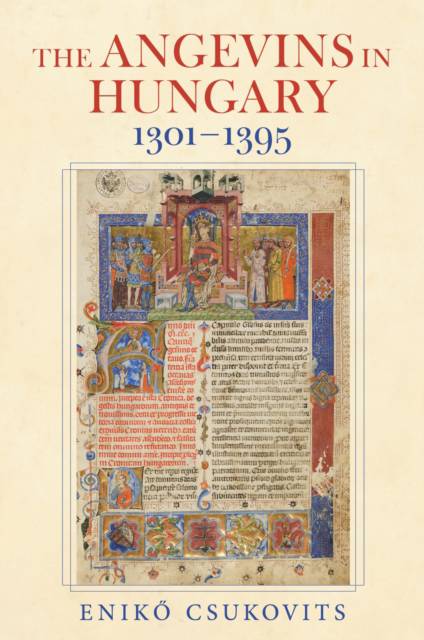
Description
From the thirteenth to the fifteenth century, the Capetian House of Anjou was one of Europe's most significant ruling dynasties, with dominions extending across the continent from the French province that gave them their name to the kingdoms of Hungary and Poland. The House of Anjou was the tie that bound together these diverse countries with varying levels of development, divergent institutions, and far-flung geographies.
The Angevins in Hungary 1301-1395 traces the lives and reigns of three generations of this dynasty: Charles I (Charles Robert) of Hungary; his son Louis I, who, in addition to succeeding his father in Hungary, also won the Polish throne and occupied that of Naples; and Louis's daughters, Mary, Queen of Hungary, and Hedvig, Queen of Poland. Author Enikő Csukovits presents more than just the Angevin dynasty's activities in Hungary, however. She explores the Angevins' reign over Hungary within several important contexts: the family's control of Naples, as well as several other Italian city-states and communes; the changing relationships between the Italian and Hungarian branches of the dynasty; the Hungarian Angevins' sovereignty over Poland; and the role Angevin Hungary played as a regional power in the fourteenth century.
By examining these diverse Anjou territories with the Kingdom of Hungary in the center, The Angevins in Hungary 1301-1395 provides a new understanding of how these territories were managed, the networks of connections that determined their fates, the characters of the relationships between these countries and provinces, and the similarities and differences between these entities' institutions.
Spécifications
Parties prenantes
- Auteur(s) :
- Traducteur(s):
- Editeur:
Contenu
- Nombre de pages :
- 430
- Langue:
- Anglais
- Collection :
Caractéristiques
- EAN:
- 9780253075048
- Date de parution :
- 16-06-26
- Format:
- Livre relié
- Format numérique:
- Genaaid
- Dimensions :
- 156 mm x 235 mm
- Poids :
- 716 g


Seulement chez Librairie Club
+ 344 points sur votre carte client de Librairie Club
Cadeau


Les avis
Nous publions uniquement les avis qui respectent les conditions requises. Consultez nos conditions pour les avis.