


- Retrait en 2 heures
- Assortiment impressionnant
- Paiement sécurisé
- Toujours un magasin près de chez vous
- Retrait en 2 heures
- Assortiment impressionnant
- Paiement sécurisé
- Toujours un magasin près de chez vous



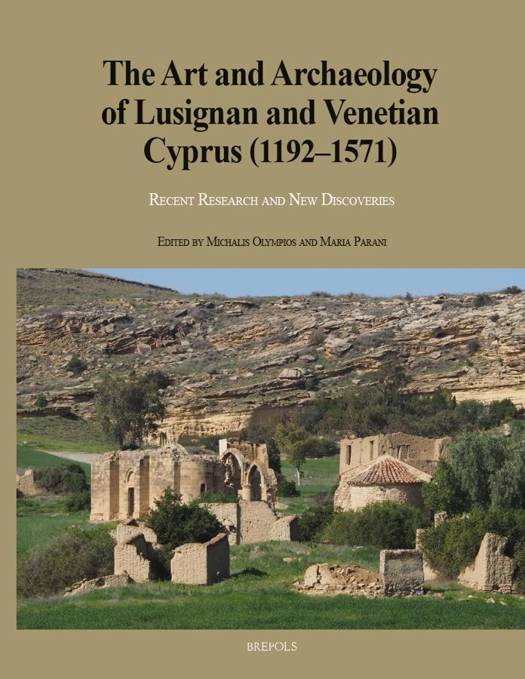
The Art and Archaeology of Lusignan and Venetian Cyprus (1192-1571)
Recent Research and New Discoveries
Michalis Olympios
132,50 €
+ 265 points
Description
From a Byzantine province to an independent Latin kingdom under the Lusignan dynasty (1192/7 - 1474/89) and a colonial outpost of the Venetian maritime empire (1474/89 - 1571), the island of Cyprus, at the eastern end of the Mediterranean, is blessed with a rich and diverse medieval cultural heritage. Its monumental art and its material culture - architecture, fresco and icon painting, woodcarving, metalwork, glazed ceramics, and so on - exist at the crossroads of several artistic traditions often thought to represent mutually exclusive visual languages, such as the late medieval Gothic and Byzantine styles (in their respective variants), the local art of the Levant, and the classicizing mode of the Italian Renaissance. It is precisely this seemingly composite nature of medieval Cypriot artistic production that, over the years, has both divided and united scholars attempting to match styles and forms to the patronage of the various religious, ethnic, and linguistic groups (Latins, Greeks, Syrians, Armenians, and others) making up the island's complex social fabric. The seventeen essays in this volume offer a snapshot of the most recent scholarship on the art, archaeology, and material culture of Cyprus under Latin rule. Established and emerging art historians and archaeologists, both trained Byzantinists and specialists of European medieval art, come together to re-appraise the field in the light of current research, put forward new evidence from fresh archival, archaeological, or archaeometric research, and propose novel interpretations destined to blaze exciting new pathways to future study of this fascinating body of material.
Spécifications
Parties prenantes
- Auteur(s) :
- Editeur:
Contenu
- Nombre de pages :
- 441
- Langue:
- Anglais
- Collection :
- Tome:
- n° 12
Caractéristiques
- EAN:
- 9782503578033
- Date de parution :
- 09-05-19
- Format:
- Livre broché
- Format numérique:
- Trade paperback (VS)
- Poids :
- 566 g



Seulement chez Librairie Club
+ 265 points sur votre carte client de Librairie Club
Cadeau


Les avis
Nous publions uniquement les avis qui respectent les conditions requises. Consultez nos conditions pour les avis.