


- Retrait en 2 heures
- Assortiment impressionnant
- Paiement sécurisé
- Toujours un magasin près de chez vous
- Retrait en 2 heures
- Assortiment impressionnant
- Paiement sécurisé
- Toujours un magasin près de chez vous



19,99 €
+ 19 points
Format
Description
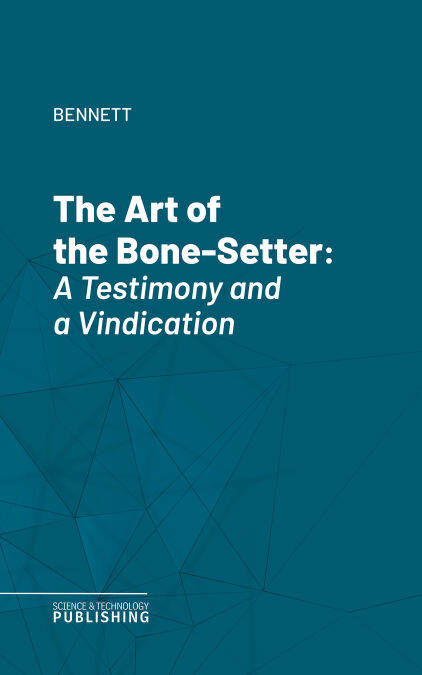
The Art of the Bone-Setter: A Testimony and a Vindication by George Matthews Bennett is a fascinating exploration into the world of traditional bone-setting, a practice that predates modern orthopedic medicine. First published in 1884, this book serves as both a historical account and a passionate defense of bone-setters, who were often dismissed or maligned by the medical establishment of the time. Bennett, himself a surgeon, provides a detailed examination of the techniques, successes, and societal roles of bone-setters, drawing on personal observations, case studies, and historical anecdotes. The book delves into the origins of bone-setting, tracing its roots through centuries of folk medicine and highlighting its prevalence in rural communities where access to formally trained doctors was limited. Bennett describes the methods employed by bone-setters, emphasizing their skill, intuition, and the remarkable results they often achieved without the benefit of formal medical education. He recounts numerous cases in which bone-setters successfully treated dislocations, fractures, and other musculoskeletal injuries, sometimes after conventional doctors had failed. Bennett also addresses the skepticism and hostility bone-setters faced from the medical profession, arguing that their contributions should be recognized and respected. He challenges the notion that bone-setting is mere quackery, presenting evidence of its efficacy and advocating for a more open-minded approach to alternative healing practices. Throughout the book, Bennett’s tone is both scholarly and empathetic, reflecting his belief in the value of practical experience and the importance of patient outcomes. Rich in historical detail and personal insight, The Art of the Bone-Setter offers a unique perspective on the evolution of medical practice and the enduring tension between traditional and scientific approaches to healing. It is an invaluable resource for anyone interested in the history of medicine, alternative therapies, or the social dynamics of healthcare in the nineteenth century.
Spécifications
Parties prenantes
- Auteur(s) :
- Editeur:
Contenu
- Langue:
- Anglais
Caractéristiques
- EAN:
- 9782528112502
- Date de parution :
- 31-08-25
- Format:
- Ebook
- Protection digitale:
- /
- Format numérique:
- ePub



Seulement chez Librairie Club
+ 19 points sur votre carte client de Librairie Club
Cadeau


Les avis
Nous publions uniquement les avis qui respectent les conditions requises. Consultez nos conditions pour les avis.