


- Retrait en 2 heures
- Assortiment impressionnant
- Paiement sécurisé
- Toujours un magasin près de chez vous
- Retrait en 2 heures
- Assortiment impressionnant
- Paiement sécurisé
- Toujours un magasin près de chez vous



Description
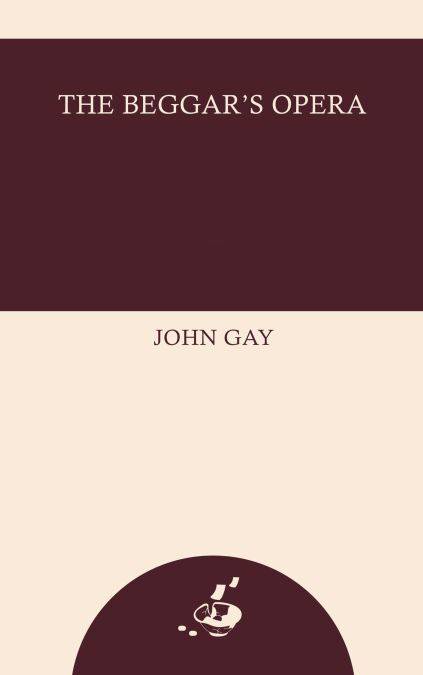
The Beggar's Opera by John Gay is a groundbreaking ballad opera that blends music, satire, and drama to create a sharp and entertaining critique of social corruption, crime, and politics in eighteenth-century England. First performed in 1728, the work revolutionized theatrical tradition by combining spoken dialogue with popular songs, offering audiences a witty and accessible form of musical storytelling.
At the center of the narrative is a world where thieves, criminals, and figures of authority exist in a morally ambiguous society. The play follows the exploits of characters such as the notorious highwayman Macheath, whose romantic entanglements and criminal dealings expose the blurred lines between respectability and criminality. Through a series of betrayals, schemes, and ironic reversals, the story reveals the hypocrisy and corruption present in both high society and the underworld.
One of the play's most striking features is its use of familiar tunes with new satirical lyrics, allowing audiences to engage with its critique through humor and music. This innovative structure enhances its commentary on justice, wealth, and power, suggesting that criminal behavior and elite corruption often mirror one another more closely than expected.
Gay's writing is both playful and incisive, using humor to expose deeper societal issues. The characters are drawn with a mix of caricature and realism, making them both entertaining and symbolic of broader social forces. The result is a work that is as thought-provoking as it is enjoyable.
The Beggar's Opera remains a landmark in the history of musical theatre and satire, celebrated for its originality, cultural impact, and enduring relevance. It continues to resonate as a bold exploration of morality, justice, and the performative nature of social order.
At the center of the narrative is a world where thieves, criminals, and figures of authority exist in a morally ambiguous society. The play follows the exploits of characters such as the notorious highwayman Macheath, whose romantic entanglements and criminal dealings expose the blurred lines between respectability and criminality. Through a series of betrayals, schemes, and ironic reversals, the story reveals the hypocrisy and corruption present in both high society and the underworld.
One of the play's most striking features is its use of familiar tunes with new satirical lyrics, allowing audiences to engage with its critique through humor and music. This innovative structure enhances its commentary on justice, wealth, and power, suggesting that criminal behavior and elite corruption often mirror one another more closely than expected.
Gay's writing is both playful and incisive, using humor to expose deeper societal issues. The characters are drawn with a mix of caricature and realism, making them both entertaining and symbolic of broader social forces. The result is a work that is as thought-provoking as it is enjoyable.
The Beggar's Opera remains a landmark in the history of musical theatre and satire, celebrated for its originality, cultural impact, and enduring relevance. It continues to resonate as a bold exploration of morality, justice, and the performative nature of social order.


Seulement chez Librairie Club
Cadeau


Les avis
Nous publions uniquement les avis qui respectent les conditions requises. Consultez nos conditions pour les avis.