


En raison d'une grève chez bpost, des retards de livraison peuvent survenir. Besoin de quelque chose en urgence ? Optez pour un retrait en magasin ou rendez-vous dans une Librairie Club à proximité.
- Retrait en 2 heures
- Assortiment impressionnant
- Paiement sécurisé
- Toujours un magasin près de chez vous
En raison d'une grève chez bpost, des retards de livraison peuvent survenir. Besoin de quelque chose en urgence ? Optez pour un retrait en magasin ou rendez-vous dans une Librairie Club à proximité.
- Retrait en 2 heures
- Assortiment impressionnant
- Paiement sécurisé
- Toujours un magasin près de chez vous



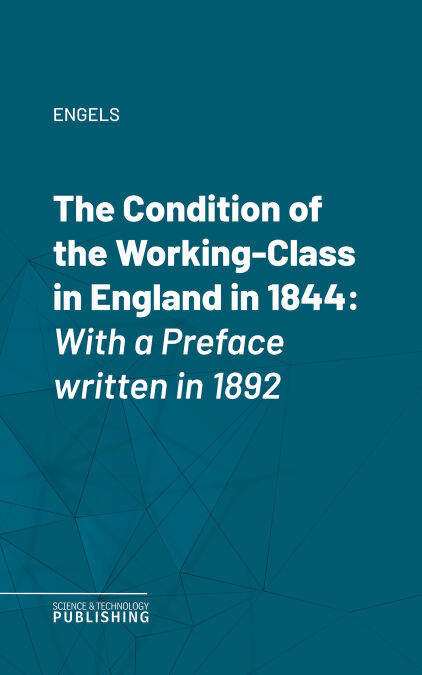
The Condition of the Working-Class in England in 1844 EBOOK
With a Preface written in 1892
Engels
Ebook | Anglais
19,99 €
+ 19 points
Description
The Condition of the Working-Class in England in 1844, with a Preface written in 1892 by Friedrich Engels, is a seminal work of social and economic analysis that offers a vivid and unflinching portrait of the lives of industrial workers in mid-19th century England. Drawing on firsthand observations and extensive research, Engels exposes the harsh realities faced by the working class during the early years of the Industrial Revolution. He details the squalid living conditions, overcrowded housing, inadequate sanitation, and rampant disease that plagued the urban poor, particularly in cities like Manchester and London. Engels also examines the exploitative labor practices, long working hours, and meager wages endured by men, women, and children in factories, mines, and workshops. The book delves into the social consequences of industrial capitalism, highlighting the alienation, poverty, and lack of political power experienced by workers. Engels provides a thorough analysis of the economic forces driving these conditions, critiquing the capitalist system and its prioritization of profit over human welfare. He also discusses the rise of the working-class movement, the development of class consciousness, and the potential for social change through collective action. The 1892 Preface, written nearly fifty years after the original publication, reflects on the changes that had occurred since Engels’ initial study, offering insights into the progress and ongoing struggles of the working class. This edition stands as both a historical document and a powerful call to action, making The Condition of the Working-Class in England in 1844 an essential text for understanding the roots of modern social and economic inequality.
Spécifications
Parties prenantes
- Auteur(s) :
- Editeur:
Contenu
- Langue:
- Anglais
Caractéristiques
- EAN:
- 9782528102527
- Date de parution :
- 31-08-25
- Format:
- Ebook
- Protection digitale:
- /
- Format numérique:
- ePub


Seulement chez Librairie Club
+ 19 points sur votre carte client de Librairie Club
Cadeau


Les avis
Nous publions uniquement les avis qui respectent les conditions requises. Consultez nos conditions pour les avis.