


- Retrait en 2 heures
- Assortiment impressionnant
- Paiement sécurisé
- Toujours un magasin près de chez vous
- Retrait en 2 heures
- Assortiment impressionnant
- Paiement sécurisé
- Toujours un magasin près de chez vous



2,99 €
+ 2 points
Description
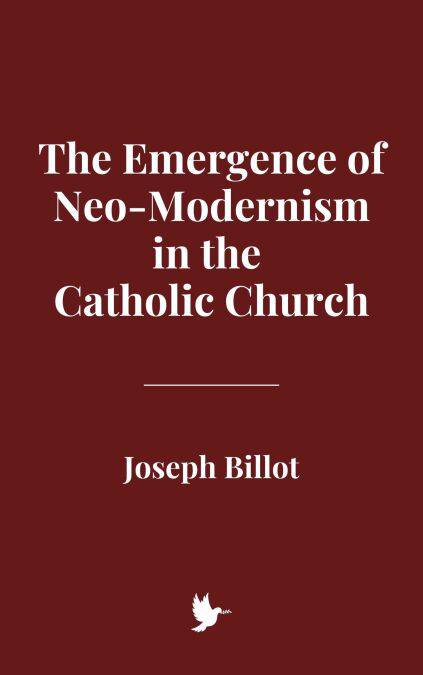
This book, explores the emergence, development, and enduring influence of the neo-modernist movement within the Catholic Church during the turbulent 1930s. Faced with the aftermath of World War I, the rise of totalitarian ideologies, and a rapidly changing intellectual landscape, a group of Catholic theologians sought to engage critically with contemporary philosophy and social issues while remaining faithful to the core teachings of the Church. These neo-modernists, including figures like Karl Rahner, Henri de Lubac, Yves Congar, and Maurice Blondel, aimed to reinterpret Catholic doctrines in a way that could speak to the existential concerns and cultural shifts of their time.
The book examines the roots of neo-modernism, highlighting how it arose as a response to the earlier modernist crisis and the Vatican's insistence on doctrinal orthodoxy. It delves into the key contributions of neo-modernist thinkers, focusing on their reinterpretation of divine revelation as a dynamic encounter between God and humanity, their integration of human experience into theological reflection, and their efforts to engage with the pressing social issues of the 1930s. Their work emphasized the importance of returning to the sources of Christian thought while embracing the insights of existentialism, phenomenology, and personalism.
The study also analyzes the Church's response to neo-modernism during this period, exploring the tensions between the desire for doctrinal continuity and the push for renewal. It examines how the Vatican's wariness of neo-modernist ideas shaped the intellectual climate of the 1930s and how these tensions played out in the years leading up to the Second Vatican Council. Despite the resistance they faced, neo-modernist theologians laid the groundwork for many of the theological developments that would become central to the Council's vision of renewal, including a more open approach to Scripture, a renewed focus on the communal nature of the Church, and a deeper engagement with the modern world.
Spécifications
Parties prenantes
- Auteur(s) :
- Editeur:
Contenu
- Langue:
- Anglais
Caractéristiques
- EAN:
- 9798224155613
- Date de parution :
- 08-10-24
- Format:
- Ebook
- Protection digitale:
- /
- Format numérique:
- ePub


Seulement chez Librairie Club
+ 2 points sur votre carte client de Librairie Club
Cadeau


Les avis
Nous publions uniquement les avis qui respectent les conditions requises. Consultez nos conditions pour les avis.