


- Retrait en 2 heures
- Assortiment impressionnant
- Paiement sécurisé
- Toujours un magasin près de chez vous
- Retrait en 2 heures
- Assortiment impressionnant
- Paiement sécurisé
- Toujours un magasin près de chez vous



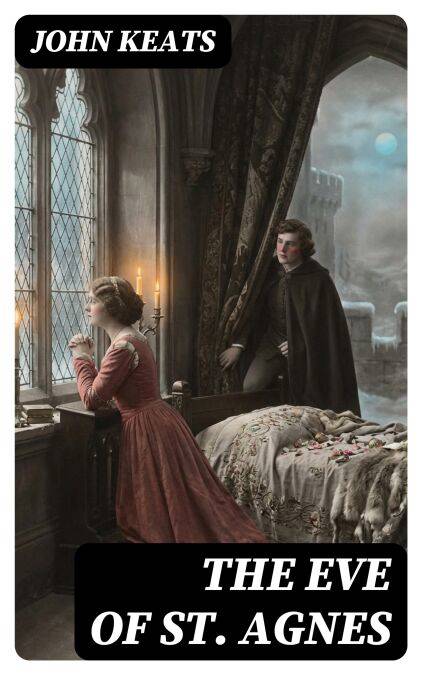
Description
In John Keats' narrative poem "The Eve of St. Agnes," the reader is transported to a medieval world steeped in romantic idealism and rich sensory detail. Set against the backdrop of a mythic St. Agnes' Eve, Keats weaves a tale of forbidden love, replete with themes of desire and transcendence. His lush, evocative language and mastery of imagery create an immersive experience; the poem serves as both a celebration of youthful passion and a meditation on the ephemeral nature of love. Keats' exploration of tension between reality and dreams reflects the broader Romantic movement's fascination with emotion and the sublime. John Keats, a pivotal figure in the Romantic tradition, was deeply influenced by his own life experiences, including the pain of loss and the quest for beauty. His struggles with mortality and the fleeting nature of human experience imbue "The Eve of St. Agnes" with a profound emotional depth. Keats' fascination with medieval narratives and his affection for classical literature inspired him to craft this timeless allegory, blending personal longing with universal themes. This enchanting poem is highly recommended for readers interested in Romantic literature, as it exemplifies the profound beauty and complexity of human emotion. Keats' rich imagery and narrative depth invite contemplation, allowing readers to engage with the themes of love, longing, and the interplay of dream and reality. Dive into Keats' world and experience a masterful exploration of the heart.
In this enriched edition, we have carefully created added value for your reading experience:
- An Introduction draws the threads together, discussing why these diverse authors and texts belong in one collection.
- Historical Context explores the cultural and intellectual currents that shaped these works, offering insight into the shared (or contrasting) eras that influenced each writer.
- A combined Synopsis (Selection) briefly outlines the key plots or arguments of the included pieces, helping readers grasp the anthology's overall scope without giving away essential twists.
- A collective Analysis highlights common themes, stylistic variations, and significant crossovers in tone and technique, tying together writers from different backgrounds.
- Reflection questions encourage readers to compare the different voices and perspectives within the collection, fostering a richer understanding of the overarching conversation.
In this enriched edition, we have carefully created added value for your reading experience:
- An Introduction draws the threads together, discussing why these diverse authors and texts belong in one collection.
- Historical Context explores the cultural and intellectual currents that shaped these works, offering insight into the shared (or contrasting) eras that influenced each writer.
- A combined Synopsis (Selection) briefly outlines the key plots or arguments of the included pieces, helping readers grasp the anthology's overall scope without giving away essential twists.
- A collective Analysis highlights common themes, stylistic variations, and significant crossovers in tone and technique, tying together writers from different backgrounds.
- Reflection questions encourage readers to compare the different voices and perspectives within the collection, fostering a richer understanding of the overarching conversation.
Spécifications
Parties prenantes
- Auteur(s) :
- Editeur:
Contenu
- Nombre de pages :
- 460
- Langue:
- Anglais
Caractéristiques
- EAN:
- 8596547395652
- Date de parution :
- 12-11-22
- Format:
- Ebook
- Protection digitale:
- Digital watermarking
- Format numérique:
- ePub


Seulement chez Librairie Club
Cadeau


Les avis
Nous publions uniquement les avis qui respectent les conditions requises. Consultez nos conditions pour les avis.