


- Retrait en 2 heures
- Assortiment impressionnant
- Paiement sécurisé
- Toujours un magasin près de chez vous
- Retrait en 2 heures
- Assortiment impressionnant
- Paiement sécurisé
- Toujours un magasin près de chez vous



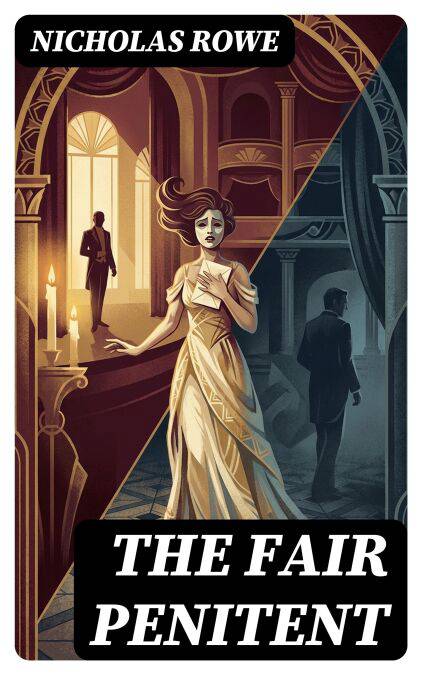
The Fair Penitent EBOOK
Enriched edition. A Tragic 18th-Century Moral Drama of Love, Betrayal, and Redemption in Poetic Verse
Nicholas Rowe
Ebook | Anglais
0,99 €
Format
Description
In "The Fair Penitent," Nicholas Rowe employs a gripping narrative and elegant verse to explore themes of love, betrayal, and redemption within the context of 18th-century English drama. This tragedy navigates the turbulent waters of passion and moral complexity, centering on the character of Calista, a woman torn between her feelings for the nobleman Altamont and her sense of duty to her now-estranged husband. Rowe's skillful blending of heightened emotional dialogue and complex character relationships invites readers to grapple with the consequences of personal choices in a society governed by strict moral codes, making it a significant work in the transition from Restoration comedy to more serious theatrical forms. Nicholas Rowe, a playwright and poet, was deeply influenced by the cultural and literary shifts of his time. His background as a member of the intellectual elite and his connections to notable literary figures allowed him to engage with contemporary moral dilemmas, shaping the passionate yet tragic tableau of "The Fair Penitent." Rowe's own experiences with love and loss undeniably imbue the narrative with a sense of authenticity and emotional depth, reflecting the tensions of his era. This compelling play is highly recommended for scholars and readers interested in early modern drama, as it encapsulates the intricate interplay between personal agency and societal expectation. Rowe's vibrant characters and poignant storytelling provide both an entertaining and thought-provoking experience, making it essential reading for those seeking to understand the evolution of tragic theatre.
In this enriched edition, we have carefully created added value for your reading experience:
- A succinct Introduction situates the work's timeless appeal and themes.
- The Synopsis outlines the central plot, highlighting key developments without spoiling critical twists.
- A detailed Historical Context immerses you in the era's events and influences that shaped the writing.
- A thorough Analysis dissects symbols, motifs, and character arcs to unearth underlying meanings.
- Reflection questions prompt you to engage personally with the work's messages, connecting them to modern life.
- Hand‐picked Memorable Quotes shine a spotlight on moments of literary brilliance.
- Interactive footnotes clarify unusual references, historical allusions, and archaic phrases for an effortless, more informed read.
In this enriched edition, we have carefully created added value for your reading experience:
- A succinct Introduction situates the work's timeless appeal and themes.
- The Synopsis outlines the central plot, highlighting key developments without spoiling critical twists.
- A detailed Historical Context immerses you in the era's events and influences that shaped the writing.
- A thorough Analysis dissects symbols, motifs, and character arcs to unearth underlying meanings.
- Reflection questions prompt you to engage personally with the work's messages, connecting them to modern life.
- Hand‐picked Memorable Quotes shine a spotlight on moments of literary brilliance.
- Interactive footnotes clarify unusual references, historical allusions, and archaic phrases for an effortless, more informed read.
Spécifications
Parties prenantes
- Auteur(s) :
- Editeur:
Contenu
- Nombre de pages :
- 42
- Langue:
- Anglais
Caractéristiques
- EAN:
- 8596547724223
- Date de parution :
- 16-11-2023
- Format:
- Ebook
- Protection digitale:
- Digital watermarking
- Format numérique:
- ePub


Seulement chez Librairie Club
Cadeau


Les avis
Nous publions uniquement les avis qui respectent les conditions requises. Consultez nos conditions pour les avis.