


- Retrait en 2 heures
- Assortiment impressionnant
- Paiement sécurisé
- Toujours un magasin près de chez vous
- Retrait gratuit dans votre magasin Club
- 7.000.0000 titres dans notre catalogue
- Payer en toute sécurité
- Toujours un magasin près de chez vous



Description
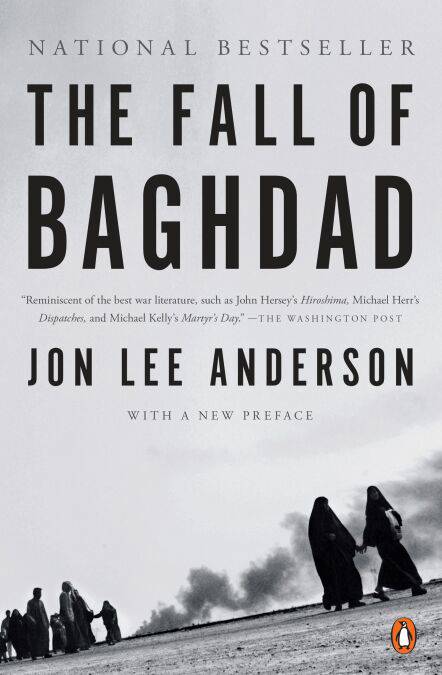
In the months leading up to the American invasion of Iraq, this New Yorker correspondent “embedded’ himself among the people of Baghdad and, along with a small number of other Western reporters, rode out the entire invasion and much of the subsequent occupation from inside the city. Jon Lee Anderson’s dispatches from Baghdad were immediately and widely recognized as the most important writing anyone was doing on the war anywhere, for any publication. In recognition of its significance, The New Yorker routinely held the magazine open an extra day and set up a special production team to deal with the pieces; around the office, comparisons to John Hersey’s fabled article “Hiroshima” were flying.
The Fall of Baghdad is not a collection of New Yorker pieces, though; it is an original and organically cohesive narrative work that tells the story of what the people of Baghdad have endured at the hands of Saddam Hussein, during the war and during its aftermath. This is not a pro- or anti-war book; the point is to bear witness to what the people in this city have endured, to put a human face on a calamity of epic dimensions. The focus alternates among a small cast of characters, a group of disparate Iraqis who allow Anderson to bring to life different facets of the story he wants to tell; and he fills in the canvas around his figures with rich background that makes their significance sing, and helps bind the book together as the definitive reckoning with one of the most fateful stories of our time.
The Fall of Baghdad is not a collection of New Yorker pieces, though; it is an original and organically cohesive narrative work that tells the story of what the people of Baghdad have endured at the hands of Saddam Hussein, during the war and during its aftermath. This is not a pro- or anti-war book; the point is to bear witness to what the people in this city have endured, to put a human face on a calamity of epic dimensions. The focus alternates among a small cast of characters, a group of disparate Iraqis who allow Anderson to bring to life different facets of the story he wants to tell; and he fills in the canvas around his figures with rich background that makes their significance sing, and helps bind the book together as the definitive reckoning with one of the most fateful stories of our time.
Spécifications
Parties prenantes
- Auteur(s) :
- Editeur:
Contenu
- Nombre de pages :
- 400
- Langue:
- Anglais
Caractéristiques
- EAN:
- 9781101200940
- Date de parution :
- 22-09-04
- Format:
- Ebook
- Protection digitale:
- Adobe DRM
- Format numérique:
- ePub


Seulement chez Librairie Club
+ 14 points sur votre carte client de Librairie Club
Cadeau

Cadeau


Les avis
Nous publions uniquement les avis qui respectent les conditions requises. Consultez nos conditions pour les avis.