


En raison d'une grève chez bpost, des retards de livraison peuvent survenir. Besoin de quelque chose en urgence ? Optez pour un retrait en magasin ou rendez-vous dans une Librairie Club à proximité.
- Retrait en 2 heures
- Assortiment impressionnant
- Paiement sécurisé
- Toujours un magasin près de chez vous
En raison d'une grève chez bpost, des retards de livraison peuvent survenir. Besoin de quelque chose en urgence ? Optez pour un retrait en magasin ou rendez-vous dans une Librairie Club à proximité.
- Retrait en 2 heures
- Assortiment impressionnant
- Paiement sécurisé
- Toujours un magasin près de chez vous



4,49 €
+ 4 points
Description
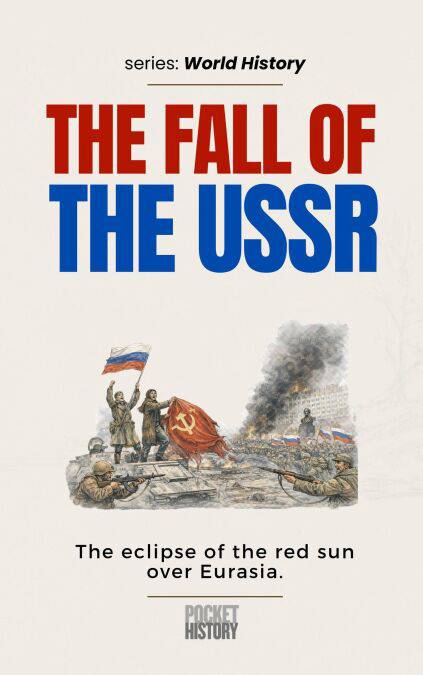
The dissolution of the Soviet Union was the most significant geopolitical earthquake of the late 20th century. In "The Red Horizon: The Collapse of the Soviet Empire," we dissect the complex web of economic stagnation, political desperation, and the unstoppable surge of nationalism that brought a superpower to its knees. This book provides a vivid, analytical journey through the final years of the USSR, exploring how a system built on iron discipline and ideological certainty evaporated in just a few years.
From the corridors of the Kremlin to the defiant protests in the Baltic States, this narrative tracks the rise of Mikhail Gorbachev and his dual gamble: Glasnost (openness) and Perestroika (restructuring). What was intended to save the system ultimately catalyzed its destruction. The book examines the 1991 August Coup, the rise of Boris Yeltsin, and the secret agreements that dismantled an empire covering one-sixth of the Earth's surface.
Key insights include:
The structural rot of the command economy and the drain of the Afghan War. The "Sinatra Doctrine" and the domino effect of revolutions in Eastern Europe. The internal power struggle between hardliners and reformers. The immediate aftermath: shock therapy, the rise of oligarchs, and the birth of fifteen new nations.Combining historical rigor with the pace of a political thriller, this work is indispensable for understanding the modern world and the roots of today's tensions between East and West.
Spécifications
Parties prenantes
- Auteur(s) :
- Editeur:
Contenu
- Langue:
- Anglais
- Collection :
Caractéristiques
- EAN:
- 9798233389771
- Date de parution :
- 01-03-26
- Format:
- Ebook
- Protection digitale:
- /
- Format numérique:
- ePub



Seulement chez Librairie Club
+ 4 points sur votre carte client de Librairie Club
Cadeau

Cadeau


Les avis
Nous publions uniquement les avis qui respectent les conditions requises. Consultez nos conditions pour les avis.