


- Retrait en 2 heures
- Assortiment impressionnant
- Paiement sécurisé
- Toujours un magasin près de chez vous
- Retrait en 2 heures
- Assortiment impressionnant
- Paiement sécurisé
- Toujours un magasin près de chez vous



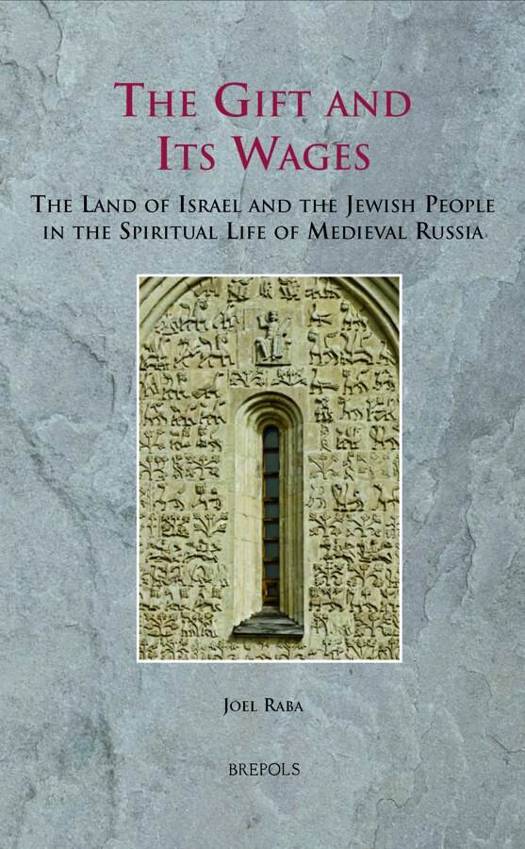
Description
Respect for the Old Testament and its heritage was an integral feature of Russian medieval culture and played a major role in determining Old Russia's value system and its attitude toward past and contemporary events. Jerusalem and the Holy Land were ideals, and the Chosen People and Old Testament heroes were role models and standards for both the past and the present. Yet, in its ongoing effort to be recognized as the 'New Chosen People' within the family of nations, Old Russia rejected 'the Other', that is the descendants of the 'Old Chosen People'. The almost total absence of Jews in Russia throughout the ancient period, along with the central role played by Jewish tradition in the development of its culture, are a contradiction. This book presents the story of this dichotomy during the Old Russian millennium, from its inception to the late seventeenth century. The material is organized chronologically, beginning with the creation of the Kievan state in the far reaches of the Khazar polity in the ninth century, and ending with the great transformation, the reforms of Peter the Great. This is preceded by a survey of two sources that shaped the image of the land and people of Israel in the erudite world of ancient Russia: a description of the Holy Land by Abbot Daniel in the early twelfth century, and the ancient Slavic translation of Josephus's Wars of the Jews.
Spécifications
Parties prenantes
- Auteur(s) :
- Editeur:
Contenu
- Nombre de pages :
- 432
- Langue:
- Anglais
- Collection :
- Tome:
- n° 1
Caractéristiques
- EAN:
- 9782503534381
- Date de parution :
- 18-07-14
- Format:
- Livre relié
- Format numérique:
- Genaaid
- Dimensions :
- 163 mm x 239 mm
- Poids :
- 861 g


Seulement chez Librairie Club
+ 328 points sur votre carte client de Librairie Club
Cadeau


Les avis
Nous publions uniquement les avis qui respectent les conditions requises. Consultez nos conditions pour les avis.