


- Retrait en 2 heures
- Assortiment impressionnant
- Paiement sécurisé
- Toujours un magasin près de chez vous
- Retrait en 2 heures
- Assortiment impressionnant
- Paiement sécurisé
- Toujours un magasin près de chez vous



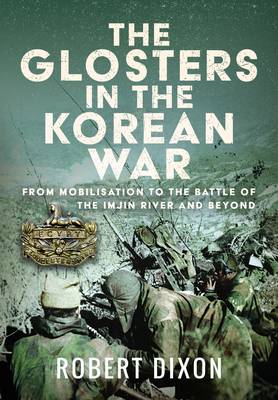
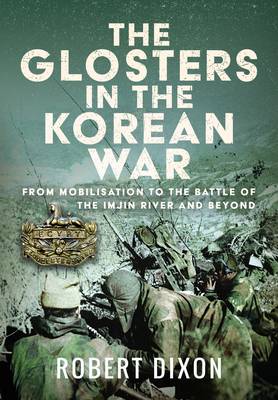
The Glosters in the Korean War
From Mobilisation to the Battle of the Imjin River and Beyond
Robert Dixon
Livre relié | Anglais
62,45 €
+ 124 points
Description
The Glosters' stand at Imjin River exemplifies extraordinary courage, buying crucial time for UN forces in a brutal cold-war crisis.
On 25 June 1950, the simmering Cold War suddenly turned hot when North Korea, backed by the Soviet Union, crossed the 38th parallel and invaded the South. The United Nations responded rapidly, urging member states to aid South Korea, and among the nations that committed troops was the United Kingdom.
One of the British units drawn into what became a bitter three-year conflict was the 1st Battalion, The Gloucestershire Regiment. The Glosters in the Korean War follows the battalion from the moment they were warned for deployment in Colchester in 1950, through their training and arrival in Korea, to the return of their last prisoners of war in late 1953.
In February 1951, the Glosters were thrust into heavy fighting as part of the 29th British Independent Infantry Brigade, leading the assault to recapture Hill 327 from Chinese forces. Their successful attack formed part of a wider UN effort to regain lost ground. Yet the same hill would become the site of their most famous and desperate stand during the massive Chinese Spring Offensive only weeks later, in April 1951.
On 22 April, three divisions of the Chinese 63rd Army - over 27,000 troops - launched a major assault across the Imjin River. Facing this overwhelming force, the Glosters, numbering just over 700 men, held a five-mile defensive front. For three days they endured continuous attacks, heavy artillery fire, and brutal close-quarters fighting. When the order finally came to withdraw, the battalion was virtually cut off and close to encirclement. Their resistance, however, bought critical time for UN forces to reorganise and helped stabilise the front north of Seoul.
The cost of victory at the Imjin was devastating. Of the 620 Glosters who entered the battle, only a small number escaped. Many were killed or wounded, and more than 500 were taken prisoner. For their extraordinary courage, the battalion - soon celebrated as 'The Glorious Glosters' - received the U.S. Presidential Unit Citation, an honour rarely granted to non-American units. General James Van Fleet later called their stand 'the most outstanding example of unit bravery in modern war'.
On 25 June 1950, the simmering Cold War suddenly turned hot when North Korea, backed by the Soviet Union, crossed the 38th parallel and invaded the South. The United Nations responded rapidly, urging member states to aid South Korea, and among the nations that committed troops was the United Kingdom.
One of the British units drawn into what became a bitter three-year conflict was the 1st Battalion, The Gloucestershire Regiment. The Glosters in the Korean War follows the battalion from the moment they were warned for deployment in Colchester in 1950, through their training and arrival in Korea, to the return of their last prisoners of war in late 1953.
In February 1951, the Glosters were thrust into heavy fighting as part of the 29th British Independent Infantry Brigade, leading the assault to recapture Hill 327 from Chinese forces. Their successful attack formed part of a wider UN effort to regain lost ground. Yet the same hill would become the site of their most famous and desperate stand during the massive Chinese Spring Offensive only weeks later, in April 1951.
On 22 April, three divisions of the Chinese 63rd Army - over 27,000 troops - launched a major assault across the Imjin River. Facing this overwhelming force, the Glosters, numbering just over 700 men, held a five-mile defensive front. For three days they endured continuous attacks, heavy artillery fire, and brutal close-quarters fighting. When the order finally came to withdraw, the battalion was virtually cut off and close to encirclement. Their resistance, however, bought critical time for UN forces to reorganise and helped stabilise the front north of Seoul.
The cost of victory at the Imjin was devastating. Of the 620 Glosters who entered the battle, only a small number escaped. Many were killed or wounded, and more than 500 were taken prisoner. For their extraordinary courage, the battalion - soon celebrated as 'The Glorious Glosters' - received the U.S. Presidential Unit Citation, an honour rarely granted to non-American units. General James Van Fleet later called their stand 'the most outstanding example of unit bravery in modern war'.
Spécifications
Parties prenantes
- Auteur(s) :
- Editeur:
Contenu
- Nombre de pages :
- 192
- Langue:
- Anglais
Caractéristiques
- EAN:
- 9781036186753
- Date de parution :
- 09-07-26
- Format:
- Livre relié
- Format numérique:
- Genaaid
- Dimensions :
- 171 mm x 248 mm


Seulement chez Librairie Club
+ 124 points sur votre carte client de Librairie Club
Cadeau


Les avis
Nous publions uniquement les avis qui respectent les conditions requises. Consultez nos conditions pour les avis.