


- Retrait en 2 heures
- Assortiment impressionnant
- Paiement sécurisé
- Toujours un magasin près de chez vous
- Retrait en 2 heures
- Assortiment impressionnant
- Paiement sécurisé
- Toujours un magasin près de chez vous



38,95 €
+ 77 points
Description
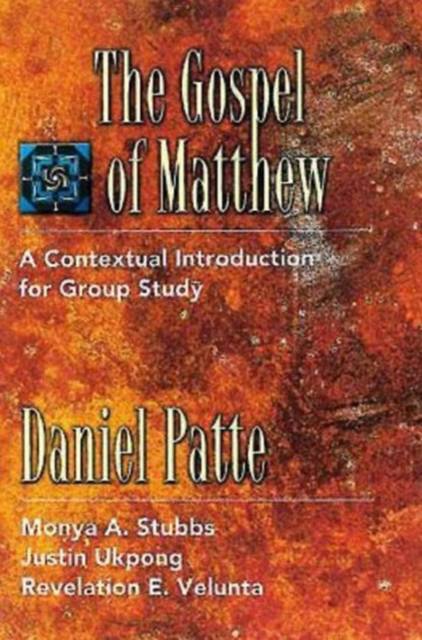
It is a common method in introductory biblical studies classes to choose exemplary biblical texts for further in-depth discussion by students in small group settings. Such groups provide a safe context for students to learn by interpreting the biblical texts for themselves. Increasingly, such interaction with one another and with the class instructor is electronic, either on bulletin boards or in chat. This book provides a resource for such group studies. Two of the primary aims of most Bible teachers, especially those in colleges and seminaries, are very nearly contradictory: 1) the teacher wants the student to gain perspective, to learn the limitations of his or her own understanding of the biblical text by encountering divergent viewpoints and 2) the teacher wants the student to gain confidence in his or her own ability to interpret the biblical text responsibly. This introduction to the book of Matthew assists the instructor with these two primary aims by: 1) Introducing the student to the wide variety of claims that are being made about the meaning of the Gospel of Matthew. 2) Introducing the student to ways of assessing these claims. 3) Leading the student to take responsibility within a group context for the choices he or she will make between these competing claims as an interpreter of the biblical text (church leader, preacher, or teacher). The book introduces the main themes and issues in the interpretation of the Gospel of Matthew in a student- (and Instructor-) friendly format. This introduction also exemplifies a new direction in biblical interpretation being used at seminaries in the U. S. The method is comparative cultural and religious interpretation, using existing scholarly and popular interpretations as exemplars for study and student discussion.
Spécifications
Parties prenantes
- Auteur(s) :
- Editeur:
Contenu
- Nombre de pages :
- 168
- Langue:
- Anglais
Caractéristiques
- EAN:
- 9780687022144
- Date de parution :
- 01-08-03
- Format:
- Livre broché
- Format numérique:
- Trade paperback (VS)
- Dimensions :
- 162 mm x 231 mm
- Poids :
- 254 g



Seulement chez Librairie Club
+ 77 points sur votre carte client de Librairie Club
Cadeau


Les avis
Nous publions uniquement les avis qui respectent les conditions requises. Consultez nos conditions pour les avis.