


- Retrait en 2 heures
- Assortiment impressionnant
- Paiement sécurisé
- Toujours un magasin près de chez vous
- Retrait en 2 heures
- Assortiment impressionnant
- Paiement sécurisé
- Toujours un magasin près de chez vous



0,99 €
Format
Description
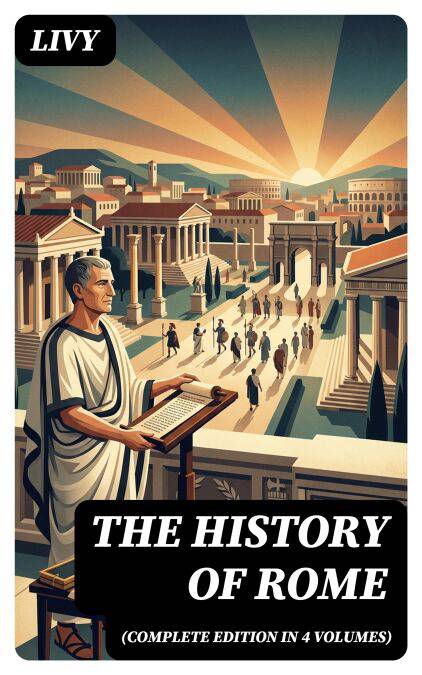
In "The History of Rome," Livy presents a comprehensive narrative that chronicles the rise and fall of Rome from its mythical origins to the dawn of the Empire. With a meticulous literary style that combines eloquent prose and vivid characterization, Livy employs a historical lens that not only recounts events but also delves deeply into the moral sentiments and ethical dimensions of Roman life. The expansive four-volume set reflects the author's engagement with earlier historians while asserting his distinct narrative voice, emphasizing themes of virtue, fortune, and the responsibility of citizens in shaping history. Titus Livius, known as Livy, was born in 59 BCE in Patavium (modern Padua) and lived through a time of significant political upheaval in Rome. His experiences witnessing the rising tide of the Roman Empire and its complexities undoubtedly influenced his desire to document the past. Livy's affinity for history and moral philosophy is evident as he presents Rome's historical trajectory not merely as events but as a tapestry of human behavior, cautionary tales, and civic lessons for his contemporaries. This monumental work is highly recommended for both scholars and general readers, as it provides invaluable insights into the socio-political landscape of ancient Rome. Livy's balanced account encourages reflection on enduring themes of power, morality, and human ambition, making it a timeless resource for understanding political dynamics and moral philosophy.
In this enriched edition, we have carefully created added value for your reading experience:
- A succinct Introduction situates the work's timeless appeal and themes.
- The Synopsis outlines the central plot, highlighting key developments without spoiling critical twists.
- A detailed Historical Context immerses you in the era's events and influences that shaped the writing.
- An Author Biography reveals milestones in the author's life, illuminating the personal insights behind the text.
- A thorough Analysis dissects symbols, motifs, and character arcs to unearth underlying meanings.
- Reflection questions prompt you to engage personally with the work's messages, connecting them to modern life.
- Hand‐picked Memorable Quotes shine a spotlight on moments of literary brilliance.
- Interactive footnotes clarify unusual references, historical allusions, and archaic phrases for an effortless, more informed read.
In this enriched edition, we have carefully created added value for your reading experience:
- A succinct Introduction situates the work's timeless appeal and themes.
- The Synopsis outlines the central plot, highlighting key developments without spoiling critical twists.
- A detailed Historical Context immerses you in the era's events and influences that shaped the writing.
- An Author Biography reveals milestones in the author's life, illuminating the personal insights behind the text.
- A thorough Analysis dissects symbols, motifs, and character arcs to unearth underlying meanings.
- Reflection questions prompt you to engage personally with the work's messages, connecting them to modern life.
- Hand‐picked Memorable Quotes shine a spotlight on moments of literary brilliance.
- Interactive footnotes clarify unusual references, historical allusions, and archaic phrases for an effortless, more informed read.
Spécifications
Parties prenantes
- Auteur(s) :
- Traducteur(s):
- Editeur:
Contenu
- Nombre de pages :
- 1920
- Langue:
- Anglais
Caractéristiques
- EAN:
- 8596547764649
- Date de parution :
- 25-12-23
- Format:
- Ebook
- Protection digitale:
- Digital watermarking
- Format numérique:
- ePub



Seulement chez Librairie Club
Cadeau


Les avis
Nous publions uniquement les avis qui respectent les conditions requises. Consultez nos conditions pour les avis.