


- Retrait en 2 heures
- Assortiment impressionnant
- Paiement sécurisé
- Toujours un magasin près de chez vous
- Retrait en 2 heures
- Assortiment impressionnant
- Paiement sécurisé
- Toujours un magasin près de chez vous



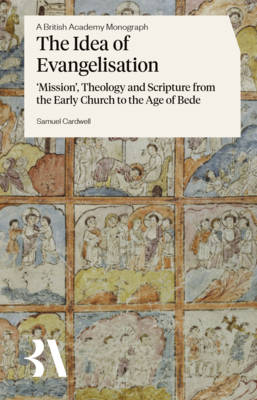
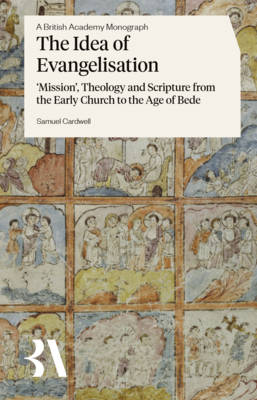
The Idea of Evangelisation
‘Mission’, Theology and Scripture from the Early Church to the Age of Bede
Samuel Cardwell
195,45 €
+ 390 points
Description
The evangelisation of the peoples of western Europe to Christianity was arguably the single most important historical development of the early Middle Ages, shaping not only the beliefs and religious practices but also the social, political, cultural and intellectual landscape of the last 1,500 years. Although much has been written on the conversion period, little has been done to understand the development of the Christian impulse to spread the Gospel 'to the ends of the earth'. When and why did Christians develop the idea of the evangelisation of all peoples? When and why did they begin to express this idea by deliberately setting out to evangelise pagan peoples? How did the conception or expression of the idea of evangelisation change over time? How did authors interpret key scriptural texts to justify or explain their views on evangelisation? This book offers the first book-length, diachronic study of these questions. Through contextualised close readings of authors writing mostly in Latin between the fourth and the eighth centuries (including Augustine, Patrick, Gregory and Bede), it argues for a gradual but fundamental transformation in Christian thinking about evangelisation. This in turn provides new insights into the origins of Christian mission.
Spécifications
Parties prenantes
- Auteur(s) :
- Editeur:
Contenu
- Nombre de pages :
- 256
- Langue:
- Anglais
- Collection :
Caractéristiques
- EAN:
- 9781805965787
- Date de parution :
- 28-05-26
- Format:
- Livre relié
- Format numérique:
- Genaaid
- Dimensions :
- 156 mm x 234 mm
- Poids :
- 535 g


Seulement chez Librairie Club
+ 390 points sur votre carte client de Librairie Club
Cadeau


Les avis
Nous publions uniquement les avis qui respectent les conditions requises. Consultez nos conditions pour les avis.