


- Retrait en 2 heures
- Assortiment impressionnant
- Paiement sécurisé
- Toujours un magasin près de chez vous
- Retrait en 2 heures
- Assortiment impressionnant
- Paiement sécurisé
- Toujours un magasin près de chez vous



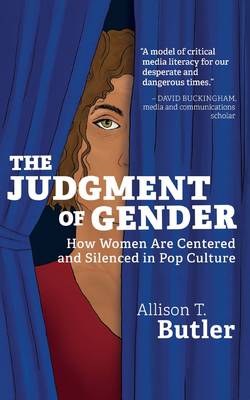
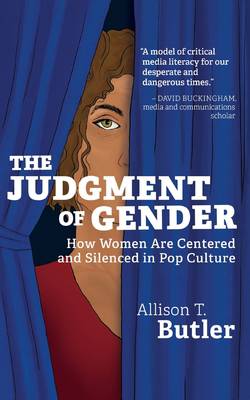
The Judgment of Gender
How Women Are Centered and Silenced in Pop Culture
Allison Butler
Livre broché | Anglais
27,95 €
+ 55 points
Description
The Judgment of Gender addresses the ways in which women are centered, while simultaneously silenced, in popular culture and, all too often, maligned for simply being women. The text focuses on key areas and times where women are highlighted as "problematic," including a generational legacy of harming women, women who speak and act out, women who occupy a space not traditionally "theirs," women who are physically harmed for being women, and women who harm other women. Grounded in critical media literacy, the text addresses, but does not wallow in, dark and difficult topics. Rather, the text asks questions of pop culture, inviting readers to look differently, and ideally with more nuance, at how stories of celebrity and those thrust into celebrity are framed. Women and stories discussed include Anita Hill, Christine Blasey Ford, and the legacy of speaking out against sexual assault; Sinéad O'Connor, Britney Spears, and the dangers of acting out; Kathleen Hanna, Anita Sarkeesian, Brianna Wu, Zoë Quinn, and the risks of occupying space not traditionally associated with women; missing and murdered Indigenous women and girls (MMIWG) and the threat of violence against women for the audacity of being women; and Monica Lewinsky, Linda Tripp, Maureen Dowd, and the harm that women perpetuate on other women. The text closes with suggestions for how to use basic concepts from critical media literacy in our roles as audiences and creators of mediated communication, operating as a lens through which one can deconstruct and talk back to the media's treatment of women.
Spécifications
Parties prenantes
- Auteur(s) :
- Editeur:
Contenu
- Nombre de pages :
- 320
- Langue:
- Anglais
Caractéristiques
- EAN:
- 9798999804914
- Date de parution :
- 08-03-26
- Format:
- Livre broché
- Format numérique:
- Trade paperback (VS)
- Dimensions :
- 127 mm x 203 mm
- Poids :
- 317 g


Seulement chez Librairie Club
+ 55 points sur votre carte client de Librairie Club
Cadeau


Les avis
Nous publions uniquement les avis qui respectent les conditions requises. Consultez nos conditions pour les avis.