


- Retrait en 2 heures
- Assortiment impressionnant
- Paiement sécurisé
- Toujours un magasin près de chez vous
- Retrait en 2 heures
- Assortiment impressionnant
- Paiement sécurisé
- Toujours un magasin près de chez vous



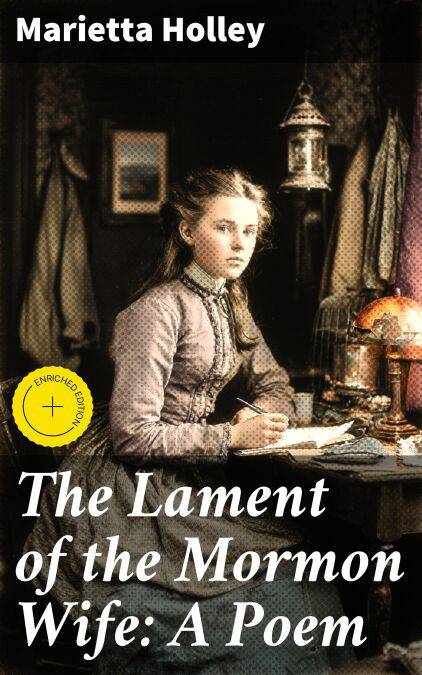
The Lament of the Mormon Wife: A Poem EBOOK
Enriched edition. Exploring love, loss, and constraints in 19th-century Mormon polygamy through witty and poignant verses
Marietta Holley
Ebook | Anglais
0,99 €
1,99 €
Description
In "The Lament of the Mormon Wife: A Poem," Marietta Holley engages readers with a poignant exploration of the emotional and social struggles faced by women in the context of 19th-century Mormon society. The poem showcases Holley's distinctive literary style, characterized by a blend of sharp wit and heartfelt emotion, skillfully utilizing vivid imagery and rhythmic verses to articulate the complexities of polygamy and gender roles. Set against the backdrop of the burgeoning American literary tradition that questioned societal norms, this work stands out for its empathetic portrayal of a woman's plight within a patriarchal framework, highlighting themes of longing, sorrow, and resilience. Marietta Holley, often recognized as one of America's first female humorists, drew from her own experiences as a woman in a rapidly changing America. Born in 1836 in New York, she was deeply influenced by the sociopolitical currents of her time, including the women's rights movement and religious pluralism. Her background imbued her writing with both a critical perspective and a deep sense of compassion, offering her unique insight into the struggles faced by women like her. I highly recommend "The Lament of the Mormon Wife" for readers interested in feminist literature, historical poetry, or American social history. Holley's ability to encapsulate the essence of a woman's voice in a restrictive society makes this poem not only an important literary work but also a testament to the enduring human spirit. Engaging with this poem will provide readers with both a profound emotional experience and a deeper understanding of the intricate layers of women's lives in the 19th century.
In this enriched edition, we have carefully created added value for your reading experience:
- A succinct Introduction situates the work's timeless appeal and themes.
- The Synopsis outlines the central plot, highlighting key developments without spoiling critical twists.
- A detailed Historical Context immerses you in the era's events and influences that shaped the writing.
- A thorough Analysis dissects symbols, motifs, and character arcs to unearth underlying meanings.
- Reflection questions prompt you to engage personally with the work's messages, connecting them to modern life.
- Hand‐picked Memorable Quotes shine a spotlight on moments of literary brilliance.
- Interactive footnotes clarify unusual references, historical allusions, and archaic phrases for an effortless, more informed read.
In this enriched edition, we have carefully created added value for your reading experience:
- A succinct Introduction situates the work's timeless appeal and themes.
- The Synopsis outlines the central plot, highlighting key developments without spoiling critical twists.
- A detailed Historical Context immerses you in the era's events and influences that shaped the writing.
- A thorough Analysis dissects symbols, motifs, and character arcs to unearth underlying meanings.
- Reflection questions prompt you to engage personally with the work's messages, connecting them to modern life.
- Hand‐picked Memorable Quotes shine a spotlight on moments of literary brilliance.
- Interactive footnotes clarify unusual references, historical allusions, and archaic phrases for an effortless, more informed read.
Spécifications
Parties prenantes
- Auteur(s) :
- Editeur:
Contenu
- Nombre de pages :
- 809
- Langue:
- Anglais
Caractéristiques
- EAN:
- 4064066092825
- Date de parution :
- 15-03-20
- Format:
- Ebook
- Protection digitale:
- Digital watermarking
- Format numérique:
- ePub


Seulement chez Librairie Club
Cadeau


Les avis
Nous publions uniquement les avis qui respectent les conditions requises. Consultez nos conditions pour les avis.