


- Retrait en 2 heures
- Assortiment impressionnant
- Paiement sécurisé
- Toujours un magasin près de chez vous
- Retrait en 2 heures
- Assortiment impressionnant
- Paiement sécurisé
- Toujours un magasin près de chez vous



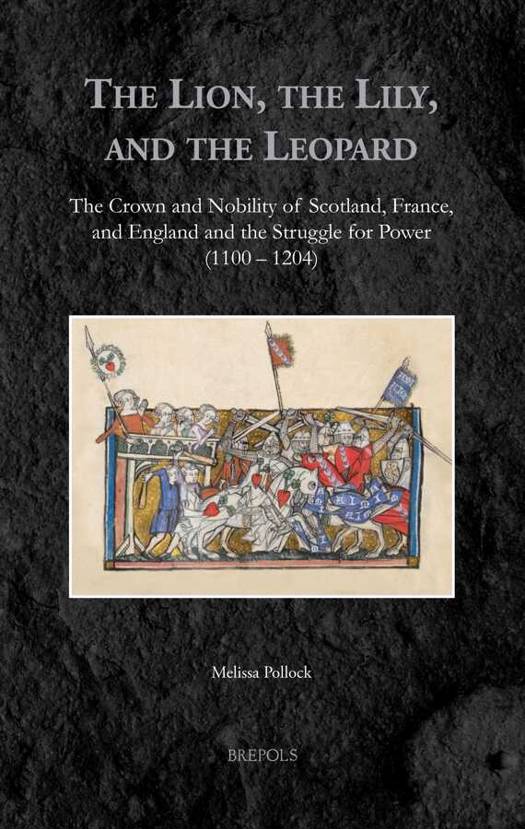
The Lion, the Lily, and the Leopard
The Crown and Nobility of Scotland, France, and England and the Struggle for Power (1100-1204)
Melissa Pollock
153,70 €
+ 307 points
Description
This book examines the relationship between and identities within the three kingdoms of Scotland, France, and England from c. 1100 until the crown of England lost Normandy, Anjou, Maine, and Touraine in 1204. Diplomatic and political relations were unique in the twelfth century because the three kingdoms were united by a ruling class that spanned the Channel. This aristocratic, Anglo-French structure beginning with the Norman invasion in 1066 disrupted and delayed the development of a unitary national identity within each of the three kingdoms. Men and women identified themselves with more than one royal overlord as long as they held fees of multiple kings and, as such, national identity was a moveable feast. This situation created a complex political web that often damaged consistent loyalty to any one king or overlord, as each member of a kin group changed alliances based on territorial threats and on the interests of their familial networks. Furthermore, alliances formed between families in the Anglo-French realm had a significant impact on political decision-making in Scotland because the Anglo-French Scots were intimately bound to this structure through their own kin networks and land bases. Significantly, this work dispels the prevailing myth that the Anglo-French who settled in Scotland did not see themselves as part of the cross-Channel world but as 'Scots' by the end of the twelfth century.
Spécifications
Parties prenantes
- Auteur(s) :
- Editeur:
Contenu
- Nombre de pages :
- 526
- Langue:
- Anglais
- Collection :
- Tome:
- n° 4
Caractéristiques
- EAN:
- 9782503540405
- Date de parution :
- 31-03-15
- Format:
- Livre relié
- Format numérique:
- Genaaid
- Dimensions :
- 163 mm x 241 mm
- Poids :
- 635 g


Seulement chez Librairie Club
+ 307 points sur votre carte client de Librairie Club
Cadeau


Les avis
Nous publions uniquement les avis qui respectent les conditions requises. Consultez nos conditions pour les avis.