


- Retrait en 2 heures
- Assortiment impressionnant
- Paiement sécurisé
- Toujours un magasin près de chez vous
- Retrait en 2 heures
- Assortiment impressionnant
- Paiement sécurisé
- Toujours un magasin près de chez vous



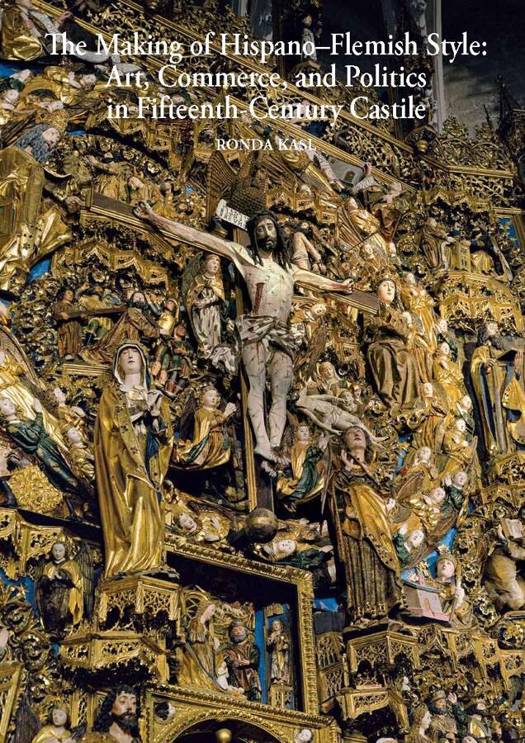
The Making of Hispano-Flemish Style
Art, Commerce, and Politics in Fifteenth-Century Castile
Ronda Kasl
137,80 €
+ 275 points
Description
This book examines the phenomenon of Hispano-Flemish style in fifteenth-century Castile, providing an account of its most important monuments and describing the ways in which it is embedded in specific social and cultural settings. Trade, diplomacy, and immigration account for the widespread presence of art and artists from northern Europe in Castile during the period and these mechanisms of international contact and exchange are the starting point for this inquiry. Chapter one details commercial relations between Castile and the art-producing centers of northern Europe, stressing the dominant role of merchants from Burgos and documenting the prevalence of imported luxuries like tapestries, paintings, and sculpture. The presence of imported artworks in Castile was paralleled by a similarly robust number of immigrant artists, some itinerant and others attached to permanent workshops. Their influence is discussed in chapter two, with emphasis on the establishment of multi-generational family workshops under the direction of immigrant masters. Such workshops rooted foreign styles on Castilian soil and decisively influenced the ways in which visual conventions were learned, transformed, and transferred. The receptivity of patrons to the visual qualities of the imported style is analyzed in relation to its capacity to assert emerging social, political, and spiritual values. The adoption of northern forms in Castile, first detected in the sculptural decoration of funerary chapels of the mid-1430s, was sustained for the rest of the century, culminating in the completion of the monastery of Miraflores under the patronage of Isabel of Castile. Chapter three outlines the religious, commemorative, and political motives that informed the foundation of the monastery by Juan II and those that animated his daughter's efforts to complete it. It establishes the chronology of works in relation to historical events and details the intervention of Juan and Simon de Colonia, Gil de Siloe, Juan de Flandes, and others. The reelaboration of Siloe's northern European sculptural idiom at Miraflores was a distinctive process, stimulated by the demands of his royal patron, conditioned by the practices of a heterogeneous workshop, and obliged to visualize a new concept of royal sovereignty.
Spécifications
Parties prenantes
- Auteur(s) :
- Editeur:
Contenu
- Nombre de pages :
- 238
- Langue:
- Anglais
- Collection :
- Tome:
- n° 7
Caractéristiques
- EAN:
- 9782503546247
- Date de parution :
- 17-10-14
- Format:
- Livre relié
- Format numérique:
- Genaaid
- Dimensions :
- 216 mm x 302 mm
- Poids :
- 1474 g


Seulement chez Librairie Club
+ 275 points sur votre carte client de Librairie Club
Cadeau


Les avis
Nous publions uniquement les avis qui respectent les conditions requises. Consultez nos conditions pour les avis.