

- Retrait en 2 heures
- Assortiment impressionnant
- Paiement sécurisé
- Toujours un magasin près de chez vous
- Retrait en 2 heures
- Assortiment impressionnant
- Paiement sécurisé
- Toujours un magasin près de chez vous


23,95 €
+ 47 points
Description
Humane lyrics braid history and family grief with desire, aging, solidarity
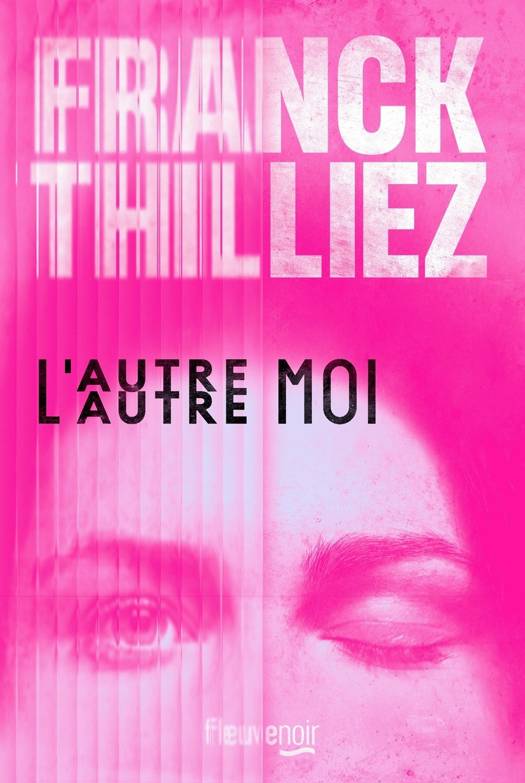
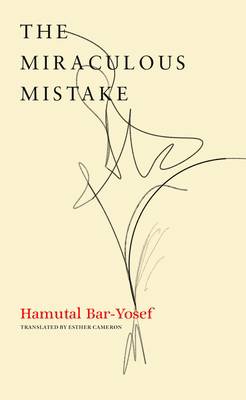
Hamutal Bar-Yosef's lyrics lead into the heart's (and history's) difficult thickets: the familial pull of a vanished bourgeois home in prewar Poland (a longing suckled at the poet's aggrieved mother's breast) or the lost communitarian belonging of an early kibbutz (supplanted by a proprietary capitalist). Bar-Yosef's humane embrace of both the historical and personal makes grief one of her great subjects. The early death of a brother in war, a son dead by suicide, and family members murdered in the Shoah color her life and choices in ways that are understood only partially and after-the-fact. Familial love and estrangement appear retrospectivelyas one ("What It Was About") or prospectively apart ("My Name Goes Before Me") and invariably layered and complex ("What I'll Say to My Mother," "The Cute Little Baby"). Poems celebrate a woman's desire and pleasure, registering them most sharply when lost ("Ode to Love," "Quite Suddenly"). Poems about the losses and anxieties of old age form a sequence unlike any other to be found in contemporary poetry: bracing, honest, and useful. Hearing the voice that "says no more / than necessary to the blind man" as he gets on and off a bus, allowing him dignity and control, is akin to reaching the end of Elizabeth Bishop's "The Filling Station" "Somebody loves us all." Like Constantine Cavafy and Wislawa Szymborska, she allows a glimpse of holy solidarity, of a time, perhaps some 500 years in the future, where there will be no need for steel doors and bomb shelters.
[Sample Poem]
"A Memory" is translated from the Hebrew by Esther Cameron.
There I disappeared from their sight:
There I was swallowed up in the cool No.
Under my parents' iron bed
on the scratchy floor planks
I ceased to be, I shuttered up; only
the acidulous fragrance of apples in the curls of dust -
There I dwelt with the crates of fruit,
stretched out in the place of freshness preserved forever.
There I breathed sweet absence.
There I silenced my heart from beating.
Who's missing? Who's upset?
Who's guessing-groping-galloping
toward my hidden existence?
What a great astonishment!
Crawling on all fours
I birthed myself to my parents
who weren't looking for me at all.
I raised my head
and I was who I was.
Almost three years old.
Spécifications
Parties prenantes
- Auteur(s) :
- Traducteur(s):
- Editeur:
Contenu
- Nombre de pages :
- 118
- Langue:
- Anglais
- Collection :
Caractéristiques
- EAN:
- 9781937679910
- Date de parution :
- 11-08-26
- Format:
- Livre broché
- Format numérique:
- Trade paperback (VS)
- Dimensions :
- 152 mm x 229 mm


Seulement chez Librairie Club
+ 47 points sur votre carte client de Librairie Club
Cadeau


Les avis
Nous publions uniquement les avis qui respectent les conditions requises. Consultez nos conditions pour les avis.