


- Retrait en 2 heures
- Assortiment impressionnant
- Paiement sécurisé
- Toujours un magasin près de chez vous
- Retrait gratuit dans votre magasin Club
- 7.000.0000 titres dans notre catalogue
- Payer en toute sécurité
- Toujours un magasin près de chez vous



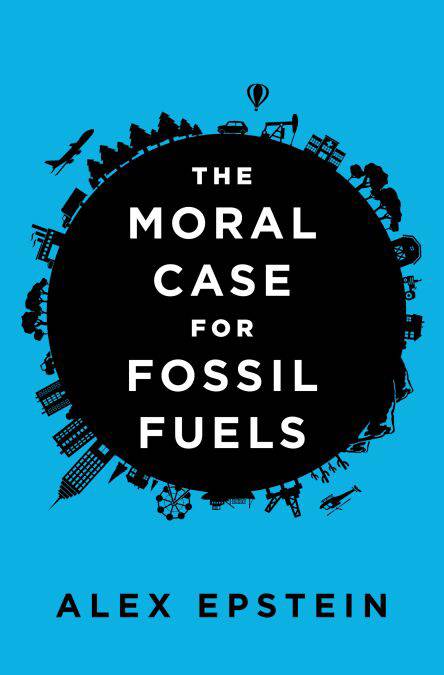
Description
Could everything we know about fossil fuels be wrong?
For decades, environmentalists have told us that using fossil fuels is a self-destructive addiction that will destroy our planet. Yet at the same time, by every measure of human well-being, from life expectancy to clean water to climate safety, life has been getting better and better.
How can this be?
The explanation, energy expert Alex Epstein argues in The Moral Case for Fossil Fuels, is that we usually hear only one side of the story. We’re taught to think only of the negatives of fossil fuels, their risks and side effects, but not their positives—their unique ability to provide cheap, reliable energy for a world of seven billion people. And the moral significance of cheap, reliable energy, Epstein argues, is woefully underrated. Energy is our ability to improve every single aspect of life, whether economic or environmental.
If we look at the big picture of fossil fuels compared with the alternatives, the overall impact of using fossil fuels is to make the world a far better place. We are morally obligated to use more fossil fuels for the sake of our economy and our environment.
Drawing on original insights and cutting-edge research, Epstein argues that most of what we hear about fossil fuels is a myth. For instance . . .
Myth: Fossil fuels are dirty.
Truth: The environmental benefits of using fossil fuels far outweigh the risks. Fossil fuels don’t take a naturally clean environment and make it dirty; they take a naturally dirty environment and make it clean. They don’t take a naturally safe climate and make it dangerous; they take a naturally dangerous climate and make it ever safer.
Myth: Fossil fuels are unsustainable, so we should strive to use “renewable” solar and wind.
Truth: The sun and wind are intermittent, unreliable fuels that always need backup from a reliable source of energy—usually fossil fuels. There are huge amounts of fossil fuels left, and we have plenty of time to find something cheaper.
Myth: Fossil fuels are hurting the developing world.
Truth: Fossil fuels are the key to improving the quality of life for billions of people in the developing world. If we withhold them, access to clean water plummets, critical medical machines like incubators become impossible to operate, and life expectancy drops significantly. Calls to “get off fossil fuels” are calls to degrade the lives of innocent people who merely want the same opportunities we enjoy in the West.
Taking everything into account, including the facts about climate change, Epstein argues that “fossil fuels are easy to misunderstand and demonize, but they are absolutely good to use. And they absolutely need to be championed. . . . Mankind’s use of fossil fuels is supremely virtuous—because human life is the standard of value and because using fossil fuels transforms our environment to make it wonderful for human life.”
For decades, environmentalists have told us that using fossil fuels is a self-destructive addiction that will destroy our planet. Yet at the same time, by every measure of human well-being, from life expectancy to clean water to climate safety, life has been getting better and better.
How can this be?
The explanation, energy expert Alex Epstein argues in The Moral Case for Fossil Fuels, is that we usually hear only one side of the story. We’re taught to think only of the negatives of fossil fuels, their risks and side effects, but not their positives—their unique ability to provide cheap, reliable energy for a world of seven billion people. And the moral significance of cheap, reliable energy, Epstein argues, is woefully underrated. Energy is our ability to improve every single aspect of life, whether economic or environmental.
If we look at the big picture of fossil fuels compared with the alternatives, the overall impact of using fossil fuels is to make the world a far better place. We are morally obligated to use more fossil fuels for the sake of our economy and our environment.
Drawing on original insights and cutting-edge research, Epstein argues that most of what we hear about fossil fuels is a myth. For instance . . .
Myth: Fossil fuels are dirty.
Truth: The environmental benefits of using fossil fuels far outweigh the risks. Fossil fuels don’t take a naturally clean environment and make it dirty; they take a naturally dirty environment and make it clean. They don’t take a naturally safe climate and make it dangerous; they take a naturally dangerous climate and make it ever safer.
Myth: Fossil fuels are unsustainable, so we should strive to use “renewable” solar and wind.
Truth: The sun and wind are intermittent, unreliable fuels that always need backup from a reliable source of energy—usually fossil fuels. There are huge amounts of fossil fuels left, and we have plenty of time to find something cheaper.
Myth: Fossil fuels are hurting the developing world.
Truth: Fossil fuels are the key to improving the quality of life for billions of people in the developing world. If we withhold them, access to clean water plummets, critical medical machines like incubators become impossible to operate, and life expectancy drops significantly. Calls to “get off fossil fuels” are calls to degrade the lives of innocent people who merely want the same opportunities we enjoy in the West.
Taking everything into account, including the facts about climate change, Epstein argues that “fossil fuels are easy to misunderstand and demonize, but they are absolutely good to use. And they absolutely need to be championed. . . . Mankind’s use of fossil fuels is supremely virtuous—because human life is the standard of value and because using fossil fuels transforms our environment to make it wonderful for human life.”
Spécifications
Parties prenantes
- Auteur(s) :
- Editeur:
Contenu
- Nombre de pages :
- 256
- Langue:
- Anglais
Caractéristiques
- EAN:
- 9780698175488
- Date de parution :
- 12-11-14
- Format:
- Ebook
- Protection digitale:
- Adobe DRM
- Format numérique:
- ePub


Seulement chez Librairie Club
+ 8 points sur votre carte client de Librairie Club
Cadeau

Cadeau


Les avis
Nous publions uniquement les avis qui respectent les conditions requises. Consultez nos conditions pour les avis.