


- Retrait en 2 heures
- Assortiment impressionnant
- Paiement sécurisé
- Toujours un magasin près de chez vous
- Retrait en 2 heures
- Assortiment impressionnant
- Paiement sécurisé
- Toujours un magasin près de chez vous



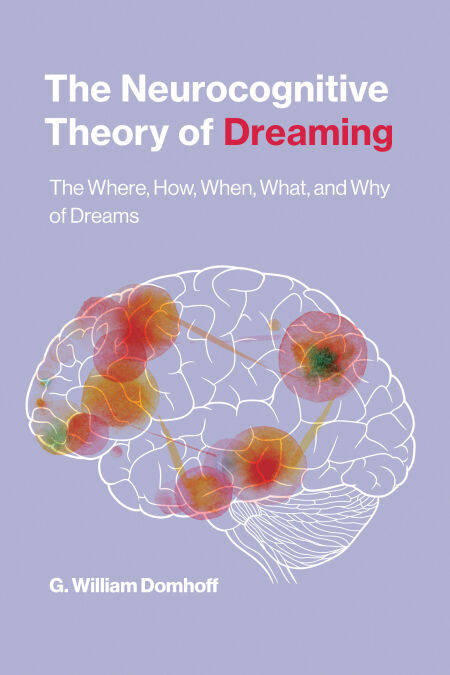
The Neurocognitive Theory of Dreaming EBOOK
The Where, How, When, What, and Why of Dreams
G. William Domhoff
Ebook | Anglais
49,28 €
+ 49 points
Format
Description
A comprehensive neurocognitive theory of dreaming based on the theories, methodologies, and findings of cognitive neuroscience and the psychological sciences.
G. William Domhoff’s neurocognitive theory of dreaming is the only theory of dreaming that makes full use of the new neuroimaging findings on all forms of spontaneous thought and shows how well they explain the results of rigorous quantitative studies of dream content. Domhoff identifies five separate issues—neural substrates, cognitive processes, the psychological meaning of dream content, evolutionarily adaptive functions, and historically invented cultural uses—and then explores how they are intertwined. He also discusses the degree to which there is symbolism in dreams, the development of dreaming in children, and the relative frequency of emotions in the dreams of children and adults.
During dreaming, the neural substrates that support waking sensory input, task-oriented thinking, and movement are relatively deactivated. Domhoff presents the conditions that have to be fulfilled before dreaming can occur spontaneously. He describes the specific cognitive processes supported by the neural substrate of dreaming and then looks at dream reports of research participants. The “why” of dreaming, he says, may be the most counterintuitive outcome of empirical dream research. Though the question is usually framed in terms of adaptation, there is no positive evidence for an adaptive theory of dreaming. Research by anthropologists, historians, and comparative religion scholars, however, suggests that dreaming has psychological and cultural uses, with the most important of these found in religious ceremonies and healing practices. Finally, he offers suggestions for how future dream studies might take advantage of new technologies, including smart phones.
G. William Domhoff’s neurocognitive theory of dreaming is the only theory of dreaming that makes full use of the new neuroimaging findings on all forms of spontaneous thought and shows how well they explain the results of rigorous quantitative studies of dream content. Domhoff identifies five separate issues—neural substrates, cognitive processes, the psychological meaning of dream content, evolutionarily adaptive functions, and historically invented cultural uses—and then explores how they are intertwined. He also discusses the degree to which there is symbolism in dreams, the development of dreaming in children, and the relative frequency of emotions in the dreams of children and adults.
During dreaming, the neural substrates that support waking sensory input, task-oriented thinking, and movement are relatively deactivated. Domhoff presents the conditions that have to be fulfilled before dreaming can occur spontaneously. He describes the specific cognitive processes supported by the neural substrate of dreaming and then looks at dream reports of research participants. The “why” of dreaming, he says, may be the most counterintuitive outcome of empirical dream research. Though the question is usually framed in terms of adaptation, there is no positive evidence for an adaptive theory of dreaming. Research by anthropologists, historians, and comparative religion scholars, however, suggests that dreaming has psychological and cultural uses, with the most important of these found in religious ceremonies and healing practices. Finally, he offers suggestions for how future dream studies might take advantage of new technologies, including smart phones.
Spécifications
Parties prenantes
- Auteur(s) :
- Editeur:
Contenu
- Nombre de pages :
- 386
- Langue:
- Anglais
Caractéristiques
- EAN:
- 9780262370875
- Date de parution :
- 03-10-22
- Format:
- Ebook
- Protection digitale:
- Adobe DRM
- Format numérique:
- ePub


Seulement chez Librairie Club
+ 49 points sur votre carte client de Librairie Club
Cadeau


Les avis
Nous publions uniquement les avis qui respectent les conditions requises. Consultez nos conditions pour les avis.