


- Retrait en 2 heures
- Assortiment impressionnant
- Paiement sécurisé
- Toujours un magasin près de chez vous
- Retrait en 2 heures
- Assortiment impressionnant
- Paiement sécurisé
- Toujours un magasin près de chez vous



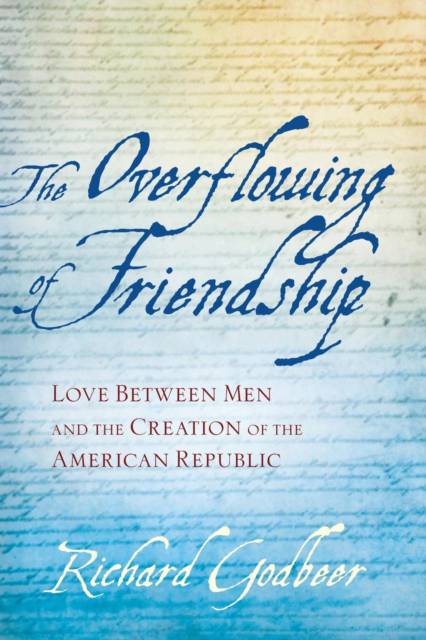
The Overflowing of Friendship
Love Between Men and the Creation of the American Republic
Richard Godbeer
Livre broché | Anglais
57,95 €
+ 115 points
Description
When eighteenth-century American men described "with a swelling of the heart" their friendships with other men, addressing them as "lovely boy" and "dearly beloved," celebrating the "ardent affection" that knit their hearts in "indissoluble bonds of fraternal love," their families, neighbors, and acquaintances would have been neither surprised nor disturbed. Richard Godbeer's groundbreaking new book examines loving and sentimental friendships among men in the colonial and revolutionary periods. Inspired in part by the eighteenth-century culture of sensibility and in part by religious models, these relationships were not only important to the personal happiness of those involved but also had broader social, religious, and political significance. Godbeer shows that in the aftermath of Independence, patriots drafted a central place for male friendship in their social and political blueprint for the new republic. American revolutionaries stressed the importance of the family in the era of self-government, reimagining it in ways appropriate to a new and democratized era. They thus shifted attention away from patriarchal authority to a more egalitarian model of brotherly collaboration. In striving to explore the inner emotional lives of early Americans, Godbeer succeeds in presenting an entirely fresh perspective on the personal relationships and political structures of the period. Scholars have long recognized the importance of same-sex friendships among women, but this is the first book to examine the broad significance ascribed to loving friendships among men during this formative period of American history. Using an array of personal and public writings, The Overflowing of Friendship will transform our understanding of early American manhood as well as challenge us to reconsider the ways we think about gender in this period.
Spécifications
Parties prenantes
- Auteur(s) :
- Editeur:
Contenu
- Nombre de pages :
- 272
- Langue:
- Anglais
Caractéristiques
- EAN:
- 9781421413839
- Date de parution :
- 01-01-14
- Format:
- Livre broché
- Format numérique:
- Trade paperback (VS)
- Dimensions :
- 152 mm x 226 mm
- Poids :
- 385 g



Seulement chez Librairie Club
+ 115 points sur votre carte client de Librairie Club
Cadeau


Les avis
Nous publions uniquement les avis qui respectent les conditions requises. Consultez nos conditions pour les avis.