


En raison d'une grève chez bpost, des retards de livraison peuvent survenir. Besoin de quelque chose en urgence ? Optez pour un retrait en magasin ou rendez-vous dans une Librairie Club à proximité.
- Retrait en 2 heures
- Assortiment impressionnant
- Paiement sécurisé
- Toujours un magasin près de chez vous
En raison d'une grève chez bpost, des retards de livraison peuvent survenir. Besoin de quelque chose en urgence ? Optez pour un retrait en magasin ou rendez-vous dans une Librairie Club à proximité.
- Retrait en 2 heures
- Assortiment impressionnant
- Paiement sécurisé
- Toujours un magasin près de chez vous


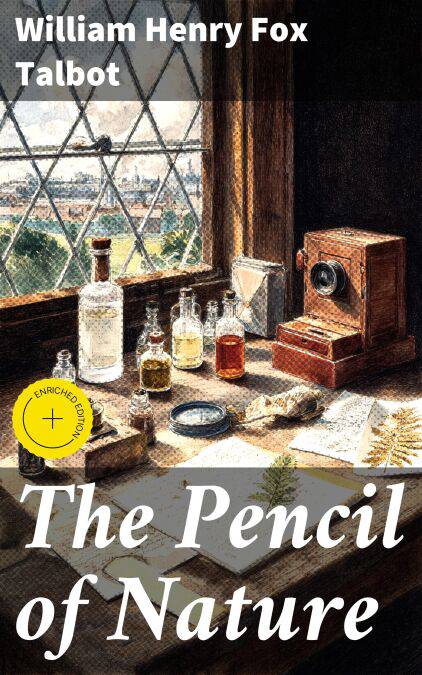
The Pencil of Nature EBOOK
Enriched edition. Revolutionizing Photography: The Calotype Process Unleashed
William Henry Fox Talbot
Ebook | Anglais
1,99 €
+ 1 points
Format
Description
In "The Pencil of Nature," William Henry Fox Talbot presents a revolutionary exploration of photography as both an art form and a scientific endeavor. Published in the 1840s, this pioneering work illustrates the potential of photographic processes through a series of exquisite photogenic drawings and detailed commentary. Talbot's unique blend of text and image not only showcases the intricacies of the calotype process but also situates photography within the broader context of Romanticism, reflecting the era's fascination with nature, technology, and the interplay of perception and reality. His meticulous attention to detail and innovative use of photographic prints set a remarkable precedent for visual documentation. Talbot, an accomplished scientist and inventor, was driven by a profound curiosity about the natural world and the limitations of traditional artistic techniques. His background in mathematics and his interest in the natural sciences paved the way for his experimentation with light-sensitive materials, culminating in his groundbreaking contributions to photography. Living in an age of rapid industrial progress, Talbot sought to capture transient moments, providing a visual record that echoed the broader cultural shifts of his time. "The Pencil of Nature" is a must-read for anyone intrigued by the origins of photography and its impact on art and society. Talbot's insights will resonate with contemporary readers, as they consider the implications of capturing reality through the lens. His work invites reflection on the nature of representation and the evolving relationship between technology and art, making it an essential text for both scholars and enthusiasts alike.
In this enriched edition, we have carefully created added value for your reading experience:
- A succinct Introduction situates the work's timeless appeal and themes.
- The Synopsis outlines the central plot, highlighting key developments without spoiling critical twists.
- A detailed Historical Context immerses you in the era's events and influences that shaped the writing.
- An Author Biography reveals milestones in the author's life, illuminating the personal insights behind the text.
- A thorough Analysis dissects symbols, motifs, and character arcs to unearth underlying meanings.
- Reflection questions prompt you to engage personally with the work's messages, connecting them to modern life.
- Hand‐picked Memorable Quotes shine a spotlight on moments of literary brilliance.
- Interactive footnotes clarify unusual references, historical allusions, and archaic phrases for an effortless, more informed read.
In this enriched edition, we have carefully created added value for your reading experience:
- A succinct Introduction situates the work's timeless appeal and themes.
- The Synopsis outlines the central plot, highlighting key developments without spoiling critical twists.
- A detailed Historical Context immerses you in the era's events and influences that shaped the writing.
- An Author Biography reveals milestones in the author's life, illuminating the personal insights behind the text.
- A thorough Analysis dissects symbols, motifs, and character arcs to unearth underlying meanings.
- Reflection questions prompt you to engage personally with the work's messages, connecting them to modern life.
- Hand‐picked Memorable Quotes shine a spotlight on moments of literary brilliance.
- Interactive footnotes clarify unusual references, historical allusions, and archaic phrases for an effortless, more informed read.
Spécifications
Parties prenantes
- Auteur(s) :
- Editeur:
Contenu
- Nombre de pages :
- 2171
- Langue:
- Anglais
Caractéristiques
- EAN:
- 4064066101947
- Date de parution :
- 15-03-2020
- Format:
- Ebook
- Protection digitale:
- Digital watermarking
- Format numérique:
- ePub



Seulement chez Librairie Club
+ 1 points sur votre carte client de Librairie Club
Cadeau


Les avis
Nous publions uniquement les avis qui respectent les conditions requises. Consultez nos conditions pour les avis.