


- Retrait en 2 heures
- Assortiment impressionnant
- Paiement sécurisé
- Toujours un magasin près de chez vous
- Retrait gratuit dans votre magasin Club
- 7.000.0000 titres dans notre catalogue
- Payer en toute sécurité
- Toujours un magasin près de chez vous



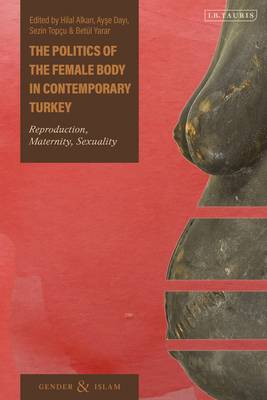
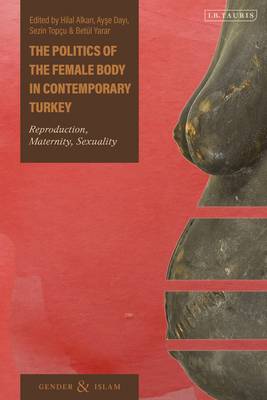
The Politics of the Female Body in Contemporary Turkey
Reproduction, Maternity, Sexuality
228,95 €
+ 457 points
Description
Under the leadership of the Justice and Development Party in Turkey came new regulations about reproductive rights, family and gender policies. Women's central role in reproductive and domestic work was swiftly reaffirmed as a state value and policies surrounding issues such as abortion and IVF were newly debated. Taking Turkey as the case study, this is the first book to examine the various ways in which neoliberal modes of governing women's bodies come together with conservative and authoritarian measures.
The book is divided into three parts - the 'reproductive' body, the 'maternal' body and the 'sexualized' body - to explore the three main governmental representations of, and interventions into, the female body. Topics for discussion include: the increasing control of poor or ethnic minority women's fertility, the expansion of IVF and egg markets, the commodification of pregnancy and motherhood through surrogacy, and the privatization of gynaecological and obstetrical care. The contributors argue that conservative and authoritarian forms of government lead to a direct assault on women's bodies, health and sexuality by legitimizing corporeal control, sexual violence and patriarchal conceptions of religious morality. While focusing on the Turkish case, the editors also propose analytical tools for a broader understanding of the recent changes in the politics of the female body in various contexts such as Eastern Europe, Latin America and the United States.
The book is divided into three parts - the 'reproductive' body, the 'maternal' body and the 'sexualized' body - to explore the three main governmental representations of, and interventions into, the female body. Topics for discussion include: the increasing control of poor or ethnic minority women's fertility, the expansion of IVF and egg markets, the commodification of pregnancy and motherhood through surrogacy, and the privatization of gynaecological and obstetrical care. The contributors argue that conservative and authoritarian forms of government lead to a direct assault on women's bodies, health and sexuality by legitimizing corporeal control, sexual violence and patriarchal conceptions of religious morality. While focusing on the Turkish case, the editors also propose analytical tools for a broader understanding of the recent changes in the politics of the female body in various contexts such as Eastern Europe, Latin America and the United States.
Spécifications
Parties prenantes
- Editeur:
Contenu
- Nombre de pages :
- 304
- Langue:
- Anglais
- Collection :
Caractéristiques
- EAN:
- 9780755617401
- Date de parution :
- 17-06-21
- Format:
- Livre relié
- Format numérique:
- Genaaid
- Dimensions :
- 156 mm x 234 mm
- Poids :
- 594 g

Seulement chez Librairie Club
+ 457 points sur votre carte client de Librairie Club

Les avis
Nous publions uniquement les avis qui respectent les conditions requises. Consultez nos conditions pour les avis.