


- Retrait en 2 heures
- Assortiment impressionnant
- Paiement sécurisé
- Toujours un magasin près de chez vous
- Retrait en 2 heures
- Assortiment impressionnant
- Paiement sécurisé
- Toujours un magasin près de chez vous



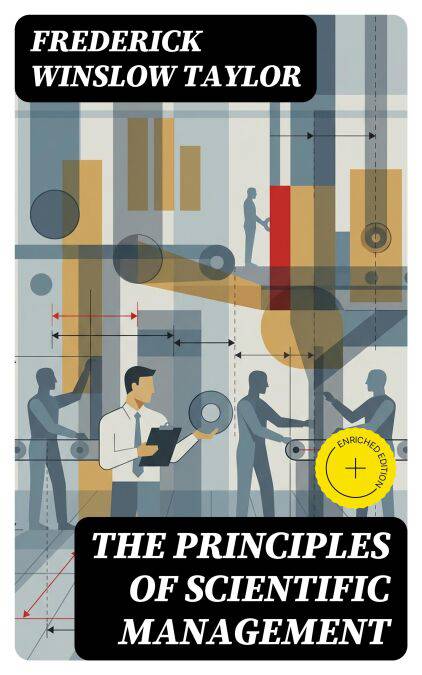
The Principles of Scientific Management EBOOK
Enriched edition.
Frederick Winslow Taylor
Ebook | Anglais
0,99 €
1,99 €
Format
Description
In "The Principles of Scientific Management," Frederick Winslow Taylor presents a groundbreaking exploration of efficiency in industrial processes, advocating for a systematic approach to workforce management. Through detailed analysis and empirical data, Taylor articulates his principles of standardization, time studies, and the division of labor, all framed within the burgeoning context of early 20th-century industrialization. His writing is characterized by a meticulous, prescriptive style aimed at transforming labor practices, ultimately laying the foundation for modern management theory and practices that seek to enhance productivity and worker satisfaction. Frederick Winslow Taylor, often referred to as the father of scientific management, emerged from a background in mechanical engineering and industrial work. His formative experiences in both the workshop and managerial roles fueled his desire to enhance productivity through scientifically developed methods. Taylor's work was also influenced by the economic demands of his time, where rapid industrial growth necessitated a reevaluation of traditional management techniques, driving him to advocate for a new framework that integrated scientific principles into workplace organization. This seminal work is essential for scholars, management professionals, and students alike, as it systematically challenges conventional managerial approaches and introduces innovative concepts still relevant today. Taylor's principles not only revolutionized manufacturing but also paved the way for future developments in organizational psychology, making this book a critical read for anyone interested in the evolution of management practices.
In this enriched edition, we have carefully created added value for your reading experience:
- A succinct Introduction situates the work's timeless appeal and themes.
- The Synopsis outlines the central plot, highlighting key developments without spoiling critical twists.
- A detailed Historical Context immerses you in the era's events and influences that shaped the writing.
- An Author Biography reveals milestones in the author's life, illuminating the personal insights behind the text.
- A thorough Analysis dissects symbols, motifs, and character arcs to unearth underlying meanings.
- Reflection questions prompt you to engage personally with the work's messages, connecting them to modern life.
- Hand‐picked Memorable Quotes shine a spotlight on moments of literary brilliance.
- Interactive footnotes clarify unusual references, historical allusions, and archaic phrases for an effortless, more informed read.
In this enriched edition, we have carefully created added value for your reading experience:
- A succinct Introduction situates the work's timeless appeal and themes.
- The Synopsis outlines the central plot, highlighting key developments without spoiling critical twists.
- A detailed Historical Context immerses you in the era's events and influences that shaped the writing.
- An Author Biography reveals milestones in the author's life, illuminating the personal insights behind the text.
- A thorough Analysis dissects symbols, motifs, and character arcs to unearth underlying meanings.
- Reflection questions prompt you to engage personally with the work's messages, connecting them to modern life.
- Hand‐picked Memorable Quotes shine a spotlight on moments of literary brilliance.
- Interactive footnotes clarify unusual references, historical allusions, and archaic phrases for an effortless, more informed read.
Spécifications
Parties prenantes
- Auteur(s) :
- Editeur:
Contenu
- Nombre de pages :
- 91
- Langue:
- Anglais
Caractéristiques
- EAN:
- 8596547022039
- Date de parution :
- 27-05-22
- Format:
- Ebook
- Protection digitale:
- Digital watermarking
- Format numérique:
- ePub



Seulement chez Librairie Club
Cadeau


Les avis
Nous publions uniquement les avis qui respectent les conditions requises. Consultez nos conditions pour les avis.