


- Retrait en 2 heures
- Assortiment impressionnant
- Paiement sécurisé
- Toujours un magasin près de chez vous
- Retrait en 2 heures
- Assortiment impressionnant
- Paiement sécurisé
- Toujours un magasin près de chez vous



190,80 €
+ 381 points
Description
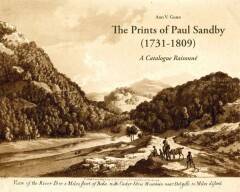
Born in Nottingham, Paul Sandby (1731-1809) is best known as a founder member of the Royal Academy and a prominent figure in the development of British watercolour painting. However, he was also one of the most prolific and inventive printmakers in eighteenth-century Britain. From his early years as a draughtsman for the military survey of Scotland, and later from his extensive tours throughout England and Wales, he depicted the people, towns, castles and landscapes of the nation. He provided the public with images of their country which contributed to the emerging appreciation of native landscape, to antiquarian interests, and to the development of picturesque tours within the British Isles. Although he never travelled abroad, he reproduced the work of fellow artists who had, tapping into the Grand Tour market with prints of Ionian antiquities, Neapolitan landscapes and the Roman carnival. But his work encompassed more than landscape; he could move from the pastoral humour of illustrations to Allan Ramsay's poem The Gentle Shepherd, through the urban realism of his Cries of London to the merciless satire of his attacks on William Hogarth. From the 1740s to the 1780s he made over 380 prints: engravings, etchings, soft ground etchings and finally aquatints, a medium in which he was a pioneer. Aquatint enabled printmakers to reproduce the effects of watercolour paintings; Sandby gave the process its name and developed varied techniques which allowed the exact reproduction of the artist's brush strokes, producing some of the most beautiful prints ever made in this medium.
Spécifications
Parties prenantes
- Auteur(s) :
- Editeur:
Contenu
- Nombre de pages :
- 339
- Langue:
- Anglais
Caractéristiques
- EAN:
- 9781909400160
- Date de parution :
- 07-10-16
- Format:
- Livre relié
- Format numérique:
- Genaaid
- Dimensions :
- 302 mm x 246 mm
- Poids :
- 2063 g


Seulement chez Librairie Club
+ 381 points sur votre carte client de Librairie Club
Cadeau


Les avis
Nous publions uniquement les avis qui respectent les conditions requises. Consultez nos conditions pour les avis.