


- Retrait en 2 heures
- Assortiment impressionnant
- Paiement sécurisé
- Toujours un magasin près de chez vous
- Retrait en 2 heures
- Assortiment impressionnant
- Paiement sécurisé
- Toujours un magasin près de chez vous



153,70 €
+ 307 points
Description
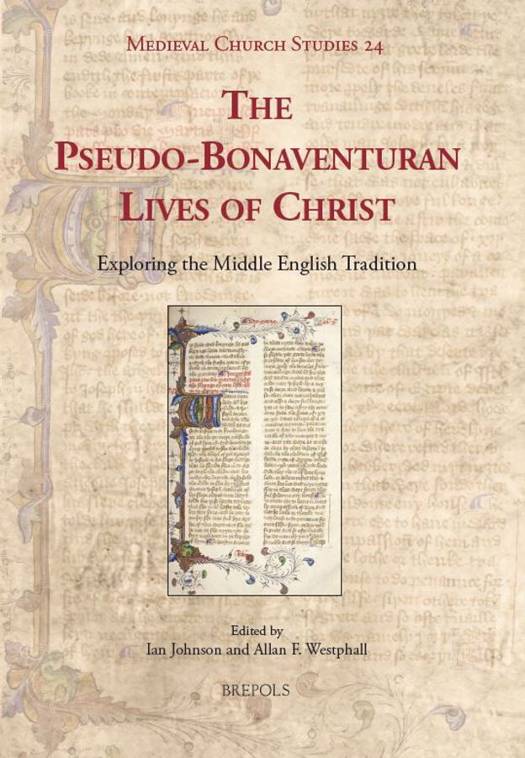
This is a collection of pioneering studies by a distinguished transatlantic team of scholars on a neglected yet canonical tradition of medieval English literature. From the fourteenth to the sixteenth centuries and beyond, the remarkable 'pseudo-Bonaventuran' tradition, flowing from the Latin Meditationes vitae Christi (and thought, wrongly, to have been composed by St Bonaventure), gave Europe orthodox models for how to represent, know, and follow Jesus Christ. The Meditationes, in a huge variety of Latin and vernacular versions, invite their readers and listeners to imagine themselves present within the Gospel narrative. How to live, what to believe, how to feel, and how to be saved: this eloquent mainstream tradition had an impact on the public and private lives of English people more profound and lasting than any text save the Bible itself. For many, it even did the Bible's work. The tradition of the Meditationes provides us with a gauge of lived religious sensibility without equal in the English later Middle Ages. Deriving from the Queen's Belfast-St Andrews AHRC-funded research project, Geographies of Orthodoxy: Mapping the English Pseudo-Bonaventuran Lives of Christ, c. 1350-1550, this volume questions and revises previous descriptions of the devotional, cultural, and political contexts in which pseudo-Bonaventuran Lives of Christ were produced, circulated, read, and understood. The period spanning the rise and repression of Lollardy, the ostensibly 'orthodox' fifteenth century, and the Tudor Reformations will never look quite the same again.
Spécifications
Parties prenantes
- Auteur(s) :
- Editeur:
Contenu
- Nombre de pages :
- 519
- Langue:
- Anglais
- Collection :
- Tome:
- n° 24
Caractéristiques
- EAN:
- 9782503542768
- Date de parution :
- 23-10-13
- Format:
- Livre relié
- Format numérique:
- Genaaid
- Dimensions :
- 163 mm x 236 mm
- Poids :
- 997 g


Seulement chez Librairie Club
+ 307 points sur votre carte client de Librairie Club
Cadeau


Les avis
Nous publions uniquement les avis qui respectent les conditions requises. Consultez nos conditions pour les avis.