


En raison d'une grève chez bpost, des retards de livraison peuvent survenir. Besoin de quelque chose en urgence ? Optez pour un retrait en magasin ou rendez-vous dans une Librairie Club à proximité.
- Retrait en 2 heures
- Assortiment impressionnant
- Paiement sécurisé
- Toujours un magasin près de chez vous
En raison d'une grève chez bpost, des retards de livraison peuvent survenir. Besoin de quelque chose en urgence ? Optez pour un retrait en magasin ou rendez-vous dans une Librairie Club à proximité.
- Retrait en 2 heures
- Assortiment impressionnant
- Paiement sécurisé
- Toujours un magasin près de chez vous



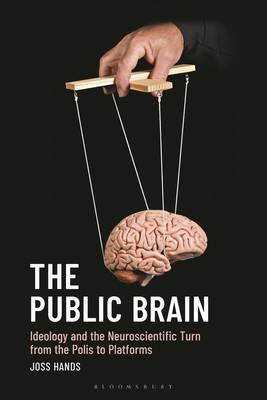
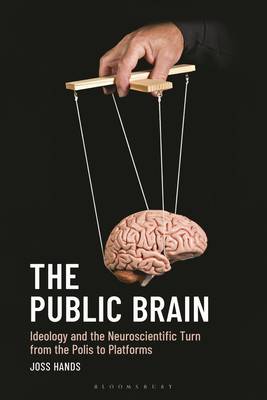
The Public Brain
Ideology and the Neuroscientific Turn from the Polis to Platforms
Joss Hands
Livre relié | Anglais
169,95 €
+ 339 points
Description
Joss Hands connects historical understandings of the brain with the histories of politics and democracy to address contemporary concerns about social media, democratic collapse, and technological control.
The Public Brain explores how politics and the public sphere have been understood in different societies and eras, in light of the prevailing conception of the brain in each period-particularly how the brain's capacities and characteristics have been used to justify the dominant political ideology of the time. Moving from the birth of democracy through the age of reason and revolution to the current social media era of "nudge" politics and new forms of political extremism, the book traces the triangulation of brain, public, and media. This includes an exploration of the role of social media platforms and their contribution to confusion and obfuscation in the present era. It proposes different formulations of the "public brain" across these periods, concluding with an argument for a democratic public brain.
The book examines what has largely been overlooked in this field, unpacking this history to offer valuable insights into contemporary debates surrounding issues such as neoliberalism, self-help and wellbeing as forms of ideology and control, the rise of extremist proto-fascist politics, and the phenomenon of post-truth. It unpacks arguments about affect and cognitive overload to make a positive case for the continuing power of reason and its emancipatory potential. In doing so, the book provides a valuable perspective on how we have come to view the brain as we do, and how that can often be a misuse, and suggests ways to cultivate an enriched, democratic concept of the public brain for positive social change.
Spécifications
Parties prenantes
- Auteur(s) :
- Editeur:
Contenu
- Nombre de pages :
- 166
- Langue:
- Anglais
Caractéristiques
- EAN:
- 9781786616043
- Date de parution :
- 02-10-25
- Format:
- Livre relié
- Format numérique:
- Genaaid
- Dimensions :
- 152 mm x 229 mm
- Poids :
- 394 g


Seulement chez Librairie Club
+ 339 points sur votre carte client de Librairie Club
Cadeau


Les avis
Nous publions uniquement les avis qui respectent les conditions requises. Consultez nos conditions pour les avis.