


- Retrait en 2 heures
- Assortiment impressionnant
- Paiement sécurisé
- Toujours un magasin près de chez vous
- Retrait en 2 heures
- Assortiment impressionnant
- Paiement sécurisé
- Toujours un magasin près de chez vous



27,95 €
+ 55 points
Description
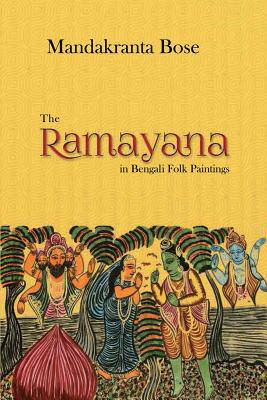
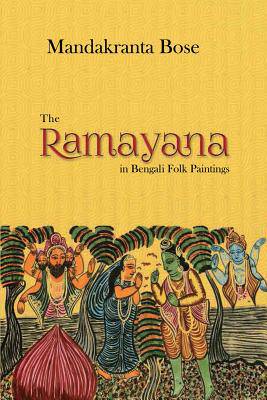
The images presented in this book take us to the heart of India's rich folk traditions. The display of paintings accompanied by recited or sung commentary has been a part of that heritage since very early times, as attested by references and legends in Sanskrit sources, such as the Harsacarita, a 7th century work by Banabhatta. Known as 'patacitras' (or 'patas' for short), these illustrated narratives are painted on rectangular fabric, paper, or scrolls. They are a type of performed art that reaches out to audiences, mostly in India's rural provinces. They convey the artists' responses to legends and social themes from varied social and cultural bases. This book focuses on a particularly powerful set of such paintings from the Bengali-speaking region of eastern India, which depict events from the Ramayana in the form of scrolls that can be rolled out as the story unfurls. The vividly colorful images presented in this book occupy a special niche in the history of Indian art. They are remarkable because they are not only aesthetically beautiful, but also act as pictorial translations of a text that has been part of Indian culture for years, often used as their source of moral guidance. Especially astounding is that these 'patas' by Bengali folk painters diverge so often from the magisterial Ramayanas of adikavi 'First Poet' Valmiki. They leave out important parts, and import into the Rama saga episodes from local narrative caches. Following conventions of both art and storytelling, these portrayals constitute what is now recognized as a tradition of rural counter-Ramayanas, which express alternative alignments of ethical judgment. Contents: Foreword - 9, Preface - 13, Ackowledgements - 15, Introduction - 17, The Narrative Tradition of Indian Painting and the Ramayana - 29, The Bengali Patuas: History, Background & Style - 41, Songs of the Patuas - 51, The Ramayana of the Bengali Patuas - 63, Book I - 70, Book II - 81, Book III - 83, Book IV - 92, Book V - 95, Book VI - 98, Book VII - 116, Summing up - 128, References - 131, Index - 135
Spécifications
Parties prenantes
- Auteur(s) :
- Editeur:
Contenu
- Nombre de pages :
- 140
- Langue:
- Anglais
Caractéristiques
- EAN:
- 9789385285554
- Date de parution :
- 06-06-17
- Format:
- Livre relié
- Format numérique:
- Genaaid
- Dimensions :
- 236 mm x 160 mm
- Poids :
- 430 g


Seulement chez Librairie Club
+ 55 points sur votre carte client de Librairie Club
Cadeau


Les avis
Nous publions uniquement les avis qui respectent les conditions requises. Consultez nos conditions pour les avis.