


- Retrait en 2 heures
- Assortiment impressionnant
- Paiement sécurisé
- Toujours un magasin près de chez vous
- Retrait en 2 heures
- Assortiment impressionnant
- Paiement sécurisé
- Toujours un magasin près de chez vous



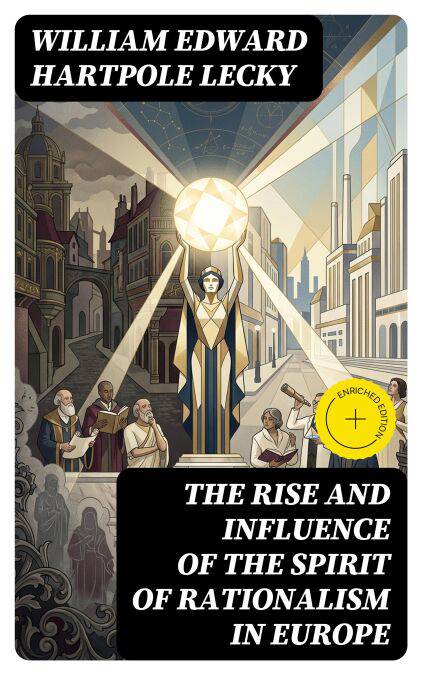
The Rise and Influence of the Spirit of Rationalism in Europe EBOOK
Enriched edition.
William Edward Hartpole Lecky
Ebook | Anglais
0,99 €
1,99 €
Description
In "The Rise and Influence of the Spirit of Rationalism in Europe," William Edward Hartpole Lecky embarks on an intricate exploration of the evolution of rational thought across Europe from the Renaissance to the 19th century. Lecky employs a compelling narrative style, deftly combining historical analysis with philosophical discourse, to illuminate how rationalism emerged as a transformative force against the backdrop of superstition and dogma. Through meticulous research, he articulates the complex interplay between various intellectual movements, religions, and scientific advancements, revealing how rationalism reshaped societal norms, ethics, and political thinking in profound ways. Lecky, an influential Irish historian and philosopher, was deeply entrenched in the intellectual currents of his time, which informed his exploration of rationalism. His interest in the interplay of history, ethics, and societal development is evident in his broader work, which often emphasizes the importance of reason and skepticism. Growing up in a time marked by scientific discovery and ideological upheaval likely fueled his quest to articulate the significant impact of rational thought on European civilization. This book is essential for readers interested in the foundations of modern thought and the historical evolution of rationalism. Lecky's nuanced understanding offers an enlightening perspective that resonates with contemporary debates about the role of reason in public discourse. Whether a scholar of philosophy or a curious reader, this work will enrich your understanding of the intellectual heritage of Europe.
In this enriched edition, we have carefully created added value for your reading experience:
- A succinct Introduction situates the work's timeless appeal and themes.
- The Synopsis outlines the central plot, highlighting key developments without spoiling critical twists.
- A detailed Historical Context immerses you in the era's events and influences that shaped the writing.
- A thorough Analysis dissects symbols, motifs, and character arcs to unearth underlying meanings.
- Reflection questions prompt you to engage personally with the work's messages, connecting them to modern life.
- Hand‐picked Memorable Quotes shine a spotlight on moments of literary brilliance.
- Interactive footnotes clarify unusual references, historical allusions, and archaic phrases for an effortless, more informed read.
In this enriched edition, we have carefully created added value for your reading experience:
- A succinct Introduction situates the work's timeless appeal and themes.
- The Synopsis outlines the central plot, highlighting key developments without spoiling critical twists.
- A detailed Historical Context immerses you in the era's events and influences that shaped the writing.
- A thorough Analysis dissects symbols, motifs, and character arcs to unearth underlying meanings.
- Reflection questions prompt you to engage personally with the work's messages, connecting them to modern life.
- Hand‐picked Memorable Quotes shine a spotlight on moments of literary brilliance.
- Interactive footnotes clarify unusual references, historical allusions, and archaic phrases for an effortless, more informed read.
Spécifications
Parties prenantes
- Auteur(s) :
- Editeur:
Contenu
- Nombre de pages :
- 575
- Langue:
- Anglais
Caractéristiques
- EAN:
- 8596547404569
- Date de parution :
- 12-11-22
- Format:
- Ebook
- Protection digitale:
- Digital watermarking
- Format numérique:
- ePub



Seulement chez Librairie Club
Cadeau


Les avis
Nous publions uniquement les avis qui respectent les conditions requises. Consultez nos conditions pour les avis.