


- Retrait en 2 heures
- Assortiment impressionnant
- Paiement sécurisé
- Toujours un magasin près de chez vous
- Retrait en 2 heures
- Assortiment impressionnant
- Paiement sécurisé
- Toujours un magasin près de chez vous



88,95 €
+ 177 points
Description
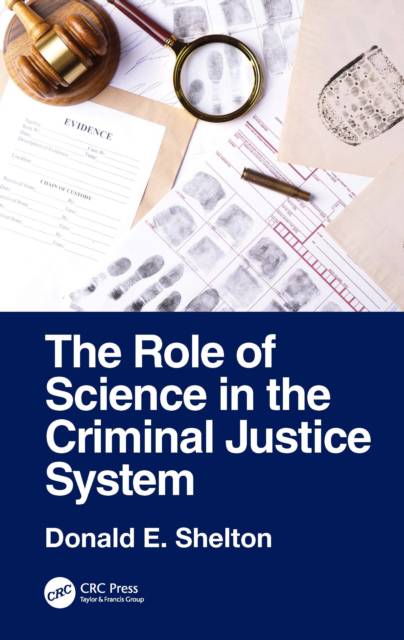
There is increased interest in forensic science and a great deal of debate about the admissibility and reliability of not only new methods but also traditional scientific methods that have resulted in wrongful convictions. Many universities now offer programs in forensic science, either separately or as part of a criminal justice curriculum, in on-campus and online settings. This book offers an overview of forensic evidence, evidence collection, and analysis practices, and the uses of such evidence in casework. By doing so, it provides insight into the processes and procedures, who is considered an expert in a particular discipline, and how these factors impact the usage, reliability, and admissibility of evidence in the courts.
Part I of the book outlines the concept of admissible evidence and the legal standards used by courts to determine if expert testimony is reliable enough for a jury to consider in determining guilt or innocence. Part II is about the "who" disciplines, describing the admissibility and reliability of a variety of pattern identification disciplines, including deoxyribonucleic acid (DNA), fingerprints, hair comparison, ballistics (toolmarks), handwriting, footwear, and digital forensics. Part III describes the admissibility and reliability issues in a variety of "how" disciplines, including fire and explosions, gunshot residue, blood pattern analysis, and medical examiner testimony. Part IV describes the uses of science by law enforcement and private companies outside the courtroom, including the advent of genetic genealogy as an investigative tool. The final part discusses the future of forensic science, including the use of artificial intelligence (AI) and potential changes in law, regulatory, and educational requirements.
Spécifications
Parties prenantes
- Auteur(s) :
- Editeur:
Contenu
- Nombre de pages :
- 196
- Langue:
- Anglais
Caractéristiques
- EAN:
- 9781041136316
- Date de parution :
- 22-03-26
- Format:
- Livre relié
- Format numérique:
- Genaaid
- Dimensions :
- 156 mm x 234 mm
- Poids :
- 476 g



Seulement chez Librairie Club
+ 177 points sur votre carte client de Librairie Club
Cadeau


Les avis
Nous publions uniquement les avis qui respectent les conditions requises. Consultez nos conditions pour les avis.