


En raison d'une grève chez bpost, des retards de livraison peuvent survenir. Besoin de quelque chose en urgence ? Optez pour un retrait en magasin ou rendez-vous dans une Librairie Club à proximité.
- Retrait en 2 heures
- Assortiment impressionnant
- Paiement sécurisé
- Toujours un magasin près de chez vous
En raison d'une grève chez bpost, des retards de livraison peuvent survenir. Besoin de quelque chose en urgence ? Optez pour un retrait en magasin ou rendez-vous dans une Librairie Club à proximité.
- Retrait en 2 heures
- Assortiment impressionnant
- Paiement sécurisé
- Toujours un magasin près de chez vous

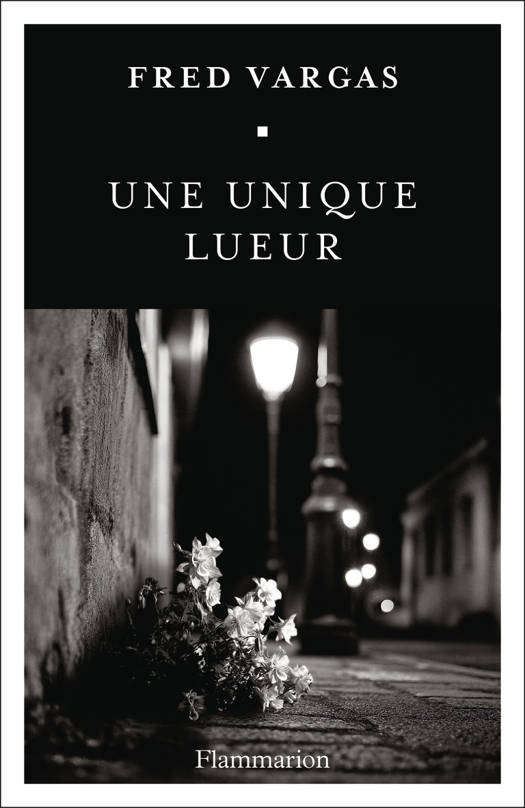

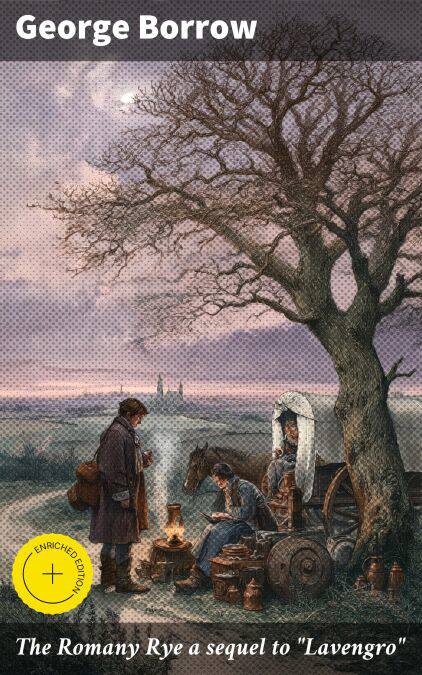
The Romany Rye a sequel to "Lavengro" EBOOK
Enriched edition. A Tale of Romani Life and Adventure
George Borrow
Ebook | Anglais
0,49 €
Description
In "The Romany Rye," George Borrow continues his exploration of Romani culture and the English countryside, following the loosely autobiographical journey of the protagonist, who traverses the intersections of identity, language, and social convention. Borrow's prose is distinguished by its lyrical quality, rich descriptions, and deep affection for the Romani people, employing a unique blend of narrative and dialogue that immerses readers in the vibrant tapestry of 19th-century English life. This sequel to "Lavengro" delves deeper into themes of belonging, mobility, and the struggles faced by marginalized communities, making it a notable work within the Victorian literary context that often overlooked such experiences. George Borrow (1803-1881) was a prolific writer, linguist, and antiquarian, whose profound fascination with Romani language and culture shaped much of his literary output. His own extensive travels and friendships with Romani families provided him with firsthand insights that enriched his storytelling. Borrow's experiences as an outsider resonate throughout his works, promoting empathy and understanding toward those often relegated to the fringes of society. Recommended for both lovers of historical literature and those interested in cultural studies, "The Romany Rye" offers a captivating glimpse into a world at once familiar and alien. Borrow's vivid portrayal invites readers to contemplate themes of freedom, identity, and the essence of humanity, making this book a compelling read for anyone seeking to understand the complexities of intercultural encounters.
In this enriched edition, we have carefully created added value for your reading experience:
- A succinct Introduction situates the work's timeless appeal and themes.
- The Synopsis outlines the central plot, highlighting key developments without spoiling critical twists.
- A detailed Historical Context immerses you in the era's events and influences that shaped the writing.
- A thorough Analysis dissects symbols, motifs, and character arcs to unearth underlying meanings.
- Reflection questions prompt you to engage personally with the work's messages, connecting them to modern life.
- Hand‐picked Memorable Quotes shine a spotlight on moments of literary brilliance.
- Interactive footnotes clarify unusual references, historical allusions, and archaic phrases for an effortless, more informed read.
In this enriched edition, we have carefully created added value for your reading experience:
- A succinct Introduction situates the work's timeless appeal and themes.
- The Synopsis outlines the central plot, highlighting key developments without spoiling critical twists.
- A detailed Historical Context immerses you in the era's events and influences that shaped the writing.
- A thorough Analysis dissects symbols, motifs, and character arcs to unearth underlying meanings.
- Reflection questions prompt you to engage personally with the work's messages, connecting them to modern life.
- Hand‐picked Memorable Quotes shine a spotlight on moments of literary brilliance.
- Interactive footnotes clarify unusual references, historical allusions, and archaic phrases for an effortless, more informed read.
Spécifications
Parties prenantes
- Auteur(s) :
- Editeur:
Contenu
- Nombre de pages :
- 470
- Langue:
- Anglais
Caractéristiques
- EAN:
- 4064066193881
- Date de parution :
- 15-12-19
- Format:
- Ebook
- Protection digitale:
- Digital watermarking
- Format numérique:
- ePub


Seulement chez Librairie Club
Cadeau

Cadeau


Les avis
Nous publions uniquement les avis qui respectent les conditions requises. Consultez nos conditions pour les avis.