


En raison d'une grève chez bpost, des retards de livraison peuvent survenir. Besoin de quelque chose en urgence ? Optez pour un retrait en magasin ou rendez-vous dans une Librairie Club à proximité.
- Retrait en 2 heures
- Assortiment impressionnant
- Paiement sécurisé
- Toujours un magasin près de chez vous
En raison d'une grève chez bpost, des retards de livraison peuvent survenir. Besoin de quelque chose en urgence ? Optez pour un retrait en magasin ou rendez-vous dans une Librairie Club à proximité.
- Retrait en 2 heures
- Assortiment impressionnant
- Paiement sécurisé
- Toujours un magasin près de chez vous



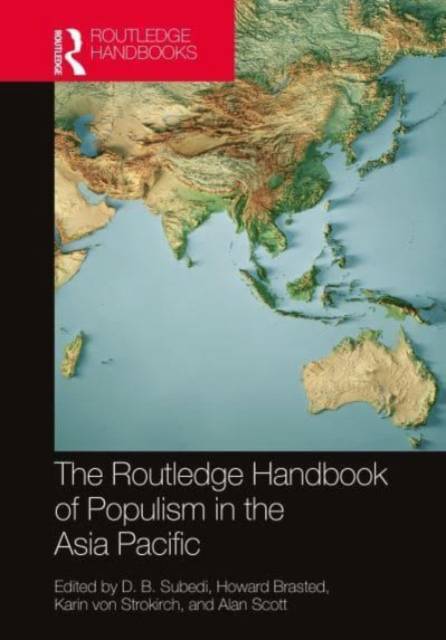
The Routledge Handbook of Populism in the Asia Pacific
496,45 €
Description
This handbook brings national and thematic case studies together to examine a variety of populist politics from local and comparative perspectives in the Asia Pacific. The chapters consider key and cross cutting themes such as populism and nationalism, religion, ethnicity and gender, as well as authoritarianism.
Spécifications
Parties prenantes
- Editeur:
Contenu
- Nombre de pages :
- 426
- Langue:
- Anglais
- Collection :
Caractéristiques
- EAN:
- 9780367701857
- Date de parution :
- 29-09-23
- Format:
- Livre relié
- Format numérique:
- Genaaid
- Dimensions :
- 170 mm x 244 mm
- Poids :
- 907 g

Seulement chez Librairie Club
Cadeau


Les avis
Nous publions uniquement les avis qui respectent les conditions requises. Consultez nos conditions pour les avis.