


- Retrait en 2 heures
- Assortiment impressionnant
- Paiement sécurisé
- Toujours un magasin près de chez vous
- Retrait en 2 heures
- Assortiment impressionnant
- Paiement sécurisé
- Toujours un magasin près de chez vous



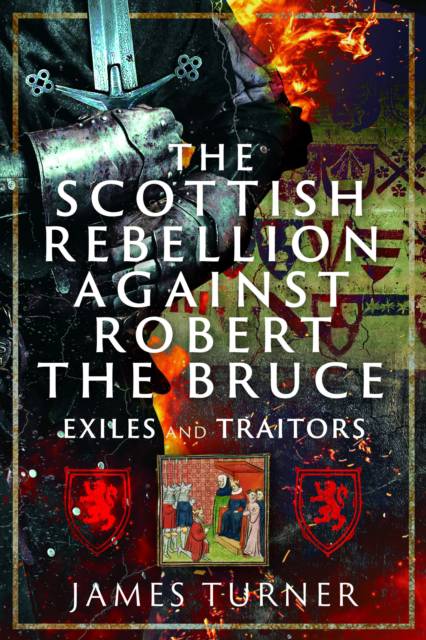
The Scottish Rebellion Against Robert the Bruce
Exiles and Traitors
James Turner
Livre relié | Anglais
34,95 €
+ 69 points
Description
July of 1331 saw the gathering of a most unusual army; its billets scattered across the modest ports of Yorkshire's eastern coast. Its purpose, the invasion of Scotland and the overthrow of the yet inchoate line of Bruce kings. This was a task monumentally disproportionate in scale to the tiny army that sought to undertake it. It was a goal which they would ultimately fail to realise, though not before experiencing some spectacular successes and forever changing the balance of power within Scottish politics.
The most notable of these triumphs were the Battle of Dupplin Moor, and the better-known Battle of Halidon Hill. Such unlikely victories lent credibility to their cause, igniting another decade of war. The army was mostly English, but its masters were the disinherited sons and grandsons of what had once been the flower of Scottish knighthood, an alliance of related Scottish nobles who had been exiled from Scotland for their ongoing refusal to accept Robert Bruce's claim to the throne. While they eagerly courted the support of the current English king, Edward III, they were no mere ciphers or puppets - their fathers and grandfathers had been amongst the fiercest proponents of Scottish freedom and independence. Edward I of England had seized upon the succession crisis that followed the death of Alexander III to insinuate himself into the centre of Scottish politics and attempt to compel the Scottish nobility into acquiescing to his claims of overlordship. Yet the following war was shaped as much by the struggle between rival Scottish dynasties as it was the imperial ambitions of successive English kings.
Running parallel to the war to refute English overlordship of Scotland was an internecine conflict in which disparate factions of the Scottish nobility vied with one another to secure the throne. Both the Bruce and the Comyn family, from whom the majority of the exiles were descended, danced back and forth across the line between loyalists and collaborators in their attempts to dominate Scottish politics. The Bruces and their allies eventually triumphed in this dual struggle, but it was a victory of family and faction rather than kingdom or nation. The return of these disinherited nobles and the war they unleashed eventually re-awakened English ambitions to annex Scotland, spiralling into the Second War of Independence. This book explores the history of the families that produced these exiles, as well as their conduct in both Wars of Independence, to gain a valuable new perspective on Scotland's historical struggle for independence and uncover the truth of the, all but forgotten, civil war that did so much to define it.
The most notable of these triumphs were the Battle of Dupplin Moor, and the better-known Battle of Halidon Hill. Such unlikely victories lent credibility to their cause, igniting another decade of war. The army was mostly English, but its masters were the disinherited sons and grandsons of what had once been the flower of Scottish knighthood, an alliance of related Scottish nobles who had been exiled from Scotland for their ongoing refusal to accept Robert Bruce's claim to the throne. While they eagerly courted the support of the current English king, Edward III, they were no mere ciphers or puppets - their fathers and grandfathers had been amongst the fiercest proponents of Scottish freedom and independence. Edward I of England had seized upon the succession crisis that followed the death of Alexander III to insinuate himself into the centre of Scottish politics and attempt to compel the Scottish nobility into acquiescing to his claims of overlordship. Yet the following war was shaped as much by the struggle between rival Scottish dynasties as it was the imperial ambitions of successive English kings.
Running parallel to the war to refute English overlordship of Scotland was an internecine conflict in which disparate factions of the Scottish nobility vied with one another to secure the throne. Both the Bruce and the Comyn family, from whom the majority of the exiles were descended, danced back and forth across the line between loyalists and collaborators in their attempts to dominate Scottish politics. The Bruces and their allies eventually triumphed in this dual struggle, but it was a victory of family and faction rather than kingdom or nation. The return of these disinherited nobles and the war they unleashed eventually re-awakened English ambitions to annex Scotland, spiralling into the Second War of Independence. This book explores the history of the families that produced these exiles, as well as their conduct in both Wars of Independence, to gain a valuable new perspective on Scotland's historical struggle for independence and uncover the truth of the, all but forgotten, civil war that did so much to define it.
Spécifications
Parties prenantes
- Auteur(s) :
- Editeur:
Contenu
- Nombre de pages :
- 272
- Langue:
- Anglais
Caractéristiques
- EAN:
- 9781036146238
- Date de parution :
- 30-07-26
- Format:
- Livre relié
- Format numérique:
- Genaaid
- Dimensions :
- 159 mm x 235 mm
- Poids :
- 490 g


Seulement chez Librairie Club
+ 69 points sur votre carte client de Librairie Club
Cadeau


Les avis
Nous publions uniquement les avis qui respectent les conditions requises. Consultez nos conditions pour les avis.