


- Retrait en 2 heures
- Assortiment impressionnant
- Paiement sécurisé
- Toujours un magasin près de chez vous
- Retrait gratuit dans votre magasin Club
- 7.000.0000 titres dans notre catalogue
- Payer en toute sécurité
- Toujours un magasin près de chez vous


Description
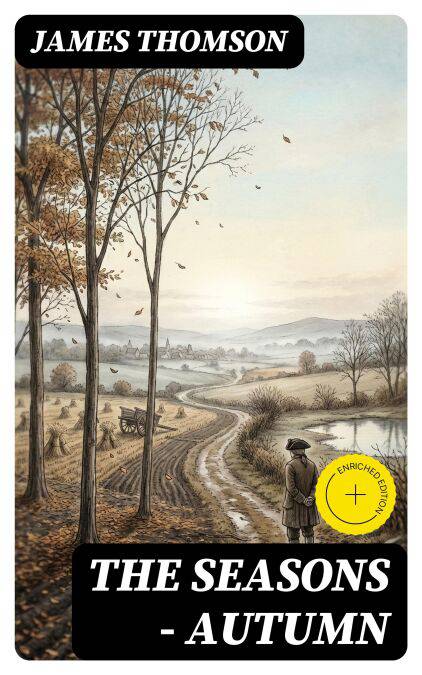
In "The Seasons — Autumn," James Thomson conjures a vivid portrayal of the autumnal landscape, steeped in rich imagery and reflective of the cyclical nature of both the environment and human experience. Written in the early 18th century, Thomson's work exemplifies the transition from the ornate, formal styles of the Augustan period to a more expressive and sensuous approach. Through sophisticated use of personification and pastoral motifs, he captures the melancholic beauty of fall, inviting readers to contemplate themes of decay and renewal in a natural world that mirrors the fleeting nature of life itself. James Thomson, a Scottish poet whose life and work were deeply influenced by the Scottish landscape and the Enlightenment's reverence for nature, produced this remarkable poem amidst a burgeoning interest in the interplay between humanity and nature. Reflecting personal experiences and the philosophical currents of his time, Thomson sought to elevate the ordinary observation of the seasons into a profound meditation on existence and mortality, a theme that resonated deeply in his own life—marked by personal loss and existential inquiry. "The Seasons — Autumn" is not merely a poem; it is an invitation to pause and reflect upon the beauty and transience of life. Readers who appreciate exquisite lyrical poetry and profound philosophical inquiry will find themselves captivated by Thomson's eloquence. This work stands as a significant contribution to the Romantic canon and is essential for those wishing to explore the evolution of nature poetry.
In this enriched edition, we have carefully created added value for your reading experience:
- A succinct Introduction situates the work's timeless appeal and themes.
- The Synopsis outlines the central plot, highlighting key developments without spoiling critical twists.
- A detailed Historical Context immerses you in the era's events and influences that shaped the writing.
- A thorough Analysis dissects symbols, motifs, and character arcs to unearth underlying meanings.
- Reflection questions prompt you to engage personally with the work's messages, connecting them to modern life.
- Hand‐picked Memorable Quotes shine a spotlight on moments of literary brilliance.
- Interactive footnotes clarify unusual references, historical allusions, and archaic phrases for an effortless, more informed read.
In this enriched edition, we have carefully created added value for your reading experience:
- A succinct Introduction situates the work's timeless appeal and themes.
- The Synopsis outlines the central plot, highlighting key developments without spoiling critical twists.
- A detailed Historical Context immerses you in the era's events and influences that shaped the writing.
- A thorough Analysis dissects symbols, motifs, and character arcs to unearth underlying meanings.
- Reflection questions prompt you to engage personally with the work's messages, connecting them to modern life.
- Hand‐picked Memorable Quotes shine a spotlight on moments of literary brilliance.
- Interactive footnotes clarify unusual references, historical allusions, and archaic phrases for an effortless, more informed read.
Spécifications
Parties prenantes
- Auteur(s) :
- Editeur:
Contenu
- Nombre de pages :
- 27
- Langue:
- Anglais
Caractéristiques
- EAN:
- 8596547315506
- Date de parution :
- 14-09-22
- Format:
- Ebook
- Protection digitale:
- Digital watermarking
- Format numérique:
- ePub


Seulement chez Librairie Club
Cadeau

Cadeau


Les avis
Nous publions uniquement les avis qui respectent les conditions requises. Consultez nos conditions pour les avis.