


En raison d'une grève chez bpost, des retards de livraison peuvent survenir. Besoin de quelque chose en urgence ? Optez pour un retrait en magasin ou rendez-vous dans une Librairie Club à proximité.
- Retrait en 2 heures
- Assortiment impressionnant
- Paiement sécurisé
- Toujours un magasin près de chez vous
En raison d'une grève chez bpost, des retards de livraison peuvent survenir. Besoin de quelque chose en urgence ? Optez pour un retrait en magasin ou rendez-vous dans une Librairie Club à proximité.
- Retrait en 2 heures
- Assortiment impressionnant
- Paiement sécurisé
- Toujours un magasin près de chez vous


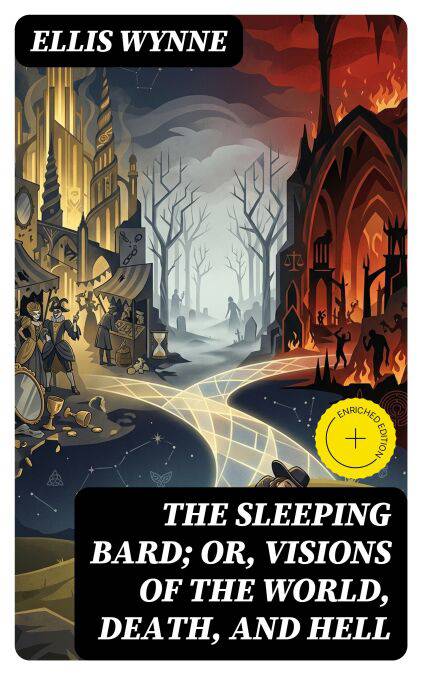
The Sleeping Bard; Or, Visions of the World, Death, and Hell EBOOK
Enriched edition.
Ellis Wynne
Ebook | Anglais
0,49 €
Format
Description
In "The Sleeping Bard; Or, Visions of the World, Death, and Hell," Ellis Wynne presents a profound allegorical narrative that explores the human condition through vivid and dreamlike imagery. Written in a richly descriptive style, the text weaves together themes of morality, the afterlife, and the transient nature of earthly existence. Set against the backdrop of early 18th-century Wales, this work reflects the complexities of its period, grappling with religious fervor and societal transformation while drawing on regional folklore and the literary tradition of dream narratives, reminiscent of works like Dante's "Divine Comedy." Ellis Wynne, a contemporary of the early Enlightenment and a passionate advocate for Welsh literature, was influenced by the religious and philosophical upheavals of his time. His own background and the spiritual questions he faced undoubtedly shaped the existential themes found in the text. Wynne's commitment to the preservation of Welsh culture through literature and his deep interest in metaphysical inquiries prompted him to craft this tale that transcends mere storytelling, imbuing it with deeper philosophical insights. Readers seeking a thought-provoking exploration into existential themes and rich allegorical content will find "The Sleeping Bard" to be an essential addition to their literary repertoire. This work appeals not only to those interested in Welsh literature but also to anyone intrigued by the intersections of death, morality, and the human psyche, making it a timeless read that resonates across generations.
In this enriched edition, we have carefully created added value for your reading experience:
- A succinct Introduction situates the work's timeless appeal and themes.
- The Synopsis outlines the central plot, highlighting key developments without spoiling critical twists.
- A detailed Historical Context immerses you in the era's events and influences that shaped the writing.
- A thorough Analysis dissects symbols, motifs, and character arcs to unearth underlying meanings.
- Reflection questions prompt you to engage personally with the work's messages, connecting them to modern life.
- Hand‐picked Memorable Quotes shine a spotlight on moments of literary brilliance.
- Interactive footnotes clarify unusual references, historical allusions, and archaic phrases for an effortless, more informed read.
In this enriched edition, we have carefully created added value for your reading experience:
- A succinct Introduction situates the work's timeless appeal and themes.
- The Synopsis outlines the central plot, highlighting key developments without spoiling critical twists.
- A detailed Historical Context immerses you in the era's events and influences that shaped the writing.
- A thorough Analysis dissects symbols, motifs, and character arcs to unearth underlying meanings.
- Reflection questions prompt you to engage personally with the work's messages, connecting them to modern life.
- Hand‐picked Memorable Quotes shine a spotlight on moments of literary brilliance.
- Interactive footnotes clarify unusual references, historical allusions, and archaic phrases for an effortless, more informed read.
Spécifications
Parties prenantes
- Auteur(s) :
- Traducteur(s):
- Editeur:
Contenu
- Nombre de pages :
- 95
- Langue:
- Anglais
Caractéristiques
- EAN:
- 8596547333210
- Date de parution :
- 15-09-22
- Format:
- Ebook
- Protection digitale:
- Digital watermarking
- Format numérique:
- ePub


Seulement chez Librairie Club
Cadeau


Les avis
Nous publions uniquement les avis qui respectent les conditions requises. Consultez nos conditions pour les avis.