


- Retrait en 2 heures
- Assortiment impressionnant
- Paiement sécurisé
- Toujours un magasin près de chez vous
- Retrait gratuit dans votre magasin Club
- 7.000.0000 titres dans notre catalogue
- Payer en toute sécurité
- Toujours un magasin près de chez vous



Description
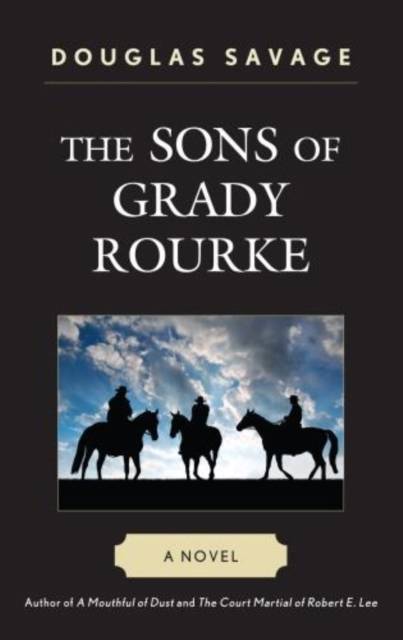
THE DEAD MAN'S JOURNEY--Journada del Muerte, the locals called it: the blistering ocean of sand and sage between the Rio Grande River to the west and the Sacramento mountain range to the east. The bones of men and horses had bleached in the mile-high desert for three hundred years. Spanish conquistadors were the first white men to explore this new furnace of the Southeastern New Mexico Territory--and the first to perish. In the thin air, the riders coming down the mountain were sharply etched against the blue sky. Steam, blowing out of the ice-encrusted nostrils of their mounts and their two pack horses, surrounded the horsemen in a white veil. Descending the eastern face of the Sacramento mountains, the horses walked slowly and painfully on cracked hooves. The icy earth offered only a steep path paved with shards of glass; blood seeped around well-worn iron horseshoes.
When the riders looked to the sky, they saw that the white sun would stay high enough for them to make Fort Stanton, ten miles into the valley. The riders knew the trail since boyhood. Words were not wasted in country where a man's mouth would crack and bleed like his horse's hooves. Beyond the fort lay the clapboard settlement of Lincoln.
When Grady Rourke died, his sons, Sean, Patrick, and Liam, came back to claim the family land . . .
What was left of it.
It was January, 1878, when the Rourke brothers came back to this hard and dangerous land. They thought they were coming home. What they didn't know was that they were about to become part of a vicious struggle for power. And that they would be forced to choose sides with either John Tunstall and Alexander McSween or J. J. Dolan and Sheriff William Brady. The battle would quickly become the infamous Lincoln County War--a dirty little war with no rules, no heroes, and no happy endings.
Douglas Savage, the acclaimed author of Cedar City Rendezvous and Highpockets has taken the historical facts surrounding the Lincoln County War and its fascinating characters, and fashioned one of the most readable and revealing tales of the American frontier.
When the riders looked to the sky, they saw that the white sun would stay high enough for them to make Fort Stanton, ten miles into the valley. The riders knew the trail since boyhood. Words were not wasted in country where a man's mouth would crack and bleed like his horse's hooves. Beyond the fort lay the clapboard settlement of Lincoln.
When Grady Rourke died, his sons, Sean, Patrick, and Liam, came back to claim the family land . . .
What was left of it.
It was January, 1878, when the Rourke brothers came back to this hard and dangerous land. They thought they were coming home. What they didn't know was that they were about to become part of a vicious struggle for power. And that they would be forced to choose sides with either John Tunstall and Alexander McSween or J. J. Dolan and Sheriff William Brady. The battle would quickly become the infamous Lincoln County War--a dirty little war with no rules, no heroes, and no happy endings.
Douglas Savage, the acclaimed author of Cedar City Rendezvous and Highpockets has taken the historical facts surrounding the Lincoln County War and its fascinating characters, and fashioned one of the most readable and revealing tales of the American frontier.
Spécifications
Parties prenantes
- Auteur(s) :
- Editeur:
Contenu
- Nombre de pages :
- 278
- Langue:
- Anglais
Caractéristiques
- EAN:
- 9781590772133
- Date de parution :
- 07-11-13
- Format:
- Livre broché
- Format numérique:
- Trade paperback (VS)
- Dimensions :
- 127 mm x 203 mm
- Poids :
- 281 g


Seulement chez Librairie Club
+ 29 points sur votre carte client de Librairie Club
Cadeau

Cadeau


Les avis
Nous publions uniquement les avis qui respectent les conditions requises. Consultez nos conditions pour les avis.