


- Retrait en 2 heures
- Assortiment impressionnant
- Paiement sécurisé
- Toujours un magasin près de chez vous
- Retrait en 2 heures
- Assortiment impressionnant
- Paiement sécurisé
- Toujours un magasin près de chez vous



Description
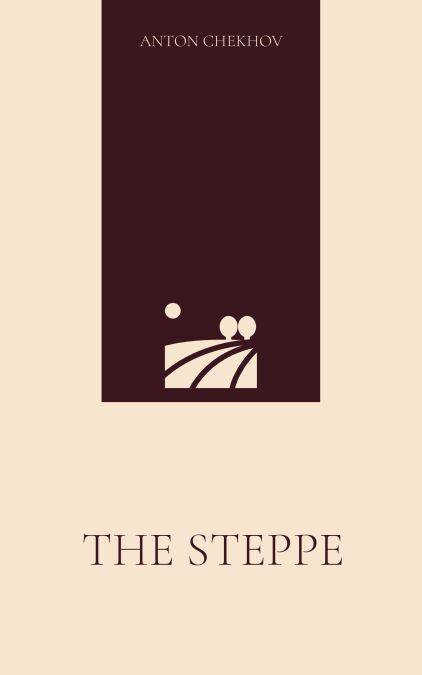
The Steppe by Anton Chekhov is a luminous and richly atmospheric novella that captures the vast beauty and quiet mystery of the Russian landscape while tracing the tender inner journey of a young boy on the threshold of change. First published in 1888, this coming-of-age masterpiece reveals Chekhov's extraordinary gift for blending vivid natural imagery with subtle psychological insight.
The story follows nine-year-old Yegorushka as he travels across the immense grasslands of southern Russia, accompanying his uncle and a priest on a long journey to enroll him in school. What begins as a practical expedition soon becomes a profound voyage of perception. Through the child's observant eyes, the boundless plains come alive with shifting light, distant horizons, wandering merchants, and the quiet rhythms of rural life. Every encounter—whether fleeting or lasting—shapes his growing awareness of the world and his place within it.
Chekhov transforms the landscape into a living presence. The sweeping plains, golden fields, and expansive skies are rendered with lyrical precision, creating an immersive portrait of nature that feels both majestic and intimate. The environment is not merely a backdrop but a powerful force that mirrors the boy's emotional state—his wonder, fear, loneliness, and curiosity. As the journey unfolds, the vastness of the land echoes the uncertainties of childhood and the dawning realization that life is far more complex than it first appears.
Beneath its tranquil surface, The Steppe explores themes of transition, memory, and identity. The narrative delicately captures the moment when innocence begins to give way to experience. Yegorushka's encounters with traders, peasants, and fellow travelers offer glimpses into a diverse and often harsh world, hinting at both opportunity and hardship. Through these subtle interactions, Chekhov portrays the fragile yet resilient spirit of youth.
Unlike conventional adventure tales, this novella unfolds through atmosphere rather than dramatic plot. Its power lies in quiet observation and emotional nuance. Chekhov's prose flows with gentle rhythm, inviting readers to linger over details—the rustle of grass in the wind, the glow of sunset across the plains, the hush of night under an endless sky. The result is a work that feels contemplative and deeply human.
Poetic, reflective, and richly textured, The Steppe stands as one of Chekhov's most celebrated longer works. It is both a tribute to the enduring majesty of the natural world and a tender portrait of a child standing at the edge of adulthood, poised between the safety of home and the unknown possibilities of the future.
The story follows nine-year-old Yegorushka as he travels across the immense grasslands of southern Russia, accompanying his uncle and a priest on a long journey to enroll him in school. What begins as a practical expedition soon becomes a profound voyage of perception. Through the child's observant eyes, the boundless plains come alive with shifting light, distant horizons, wandering merchants, and the quiet rhythms of rural life. Every encounter—whether fleeting or lasting—shapes his growing awareness of the world and his place within it.
Chekhov transforms the landscape into a living presence. The sweeping plains, golden fields, and expansive skies are rendered with lyrical precision, creating an immersive portrait of nature that feels both majestic and intimate. The environment is not merely a backdrop but a powerful force that mirrors the boy's emotional state—his wonder, fear, loneliness, and curiosity. As the journey unfolds, the vastness of the land echoes the uncertainties of childhood and the dawning realization that life is far more complex than it first appears.
Beneath its tranquil surface, The Steppe explores themes of transition, memory, and identity. The narrative delicately captures the moment when innocence begins to give way to experience. Yegorushka's encounters with traders, peasants, and fellow travelers offer glimpses into a diverse and often harsh world, hinting at both opportunity and hardship. Through these subtle interactions, Chekhov portrays the fragile yet resilient spirit of youth.
Unlike conventional adventure tales, this novella unfolds through atmosphere rather than dramatic plot. Its power lies in quiet observation and emotional nuance. Chekhov's prose flows with gentle rhythm, inviting readers to linger over details—the rustle of grass in the wind, the glow of sunset across the plains, the hush of night under an endless sky. The result is a work that feels contemplative and deeply human.
Poetic, reflective, and richly textured, The Steppe stands as one of Chekhov's most celebrated longer works. It is both a tribute to the enduring majesty of the natural world and a tender portrait of a child standing at the edge of adulthood, poised between the safety of home and the unknown possibilities of the future.
Spécifications
Parties prenantes
- Auteur(s) :
- Editeur:
Contenu
- Nombre de pages :
- 133
- Langue:
- Anglais
Caractéristiques
- EAN:
- 9786410553053
- Date de parution :
- 26-02-26
- Format:
- Ebook
- Protection digitale:
- Digital watermarking
- Format numérique:
- ePub



Seulement chez Librairie Club
Cadeau


Les avis
Nous publions uniquement les avis qui respectent les conditions requises. Consultez nos conditions pour les avis.