


- Retrait en 2 heures
- Assortiment impressionnant
- Paiement sécurisé
- Toujours un magasin près de chez vous
- Retrait en 2 heures
- Assortiment impressionnant
- Paiement sécurisé
- Toujours un magasin près de chez vous



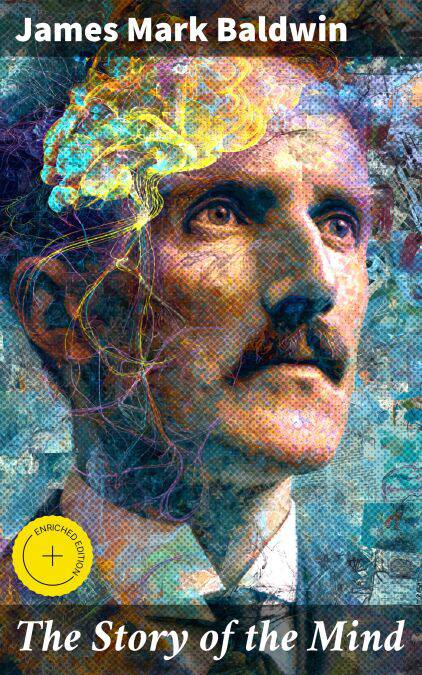
The Story of the Mind EBOOK
Enriched edition. Unveiling the Depths of Consciousness and Evolution in Human Cognition
James Mark Baldwin
Ebook | Anglais
0,99 €
Description
In "The Story of the Mind," James Mark Baldwin embarks on a profound exploration of psychological development and consciousness, weaving together philosophical inquiry with empirical research. Baldwin's literary style is characterized by its clarity and accessibility, effectively bridging the gap between complex psychological theories and the lay reader. Within the context of early 20th-century psychology, Baldwin's work transcends the dominant paradigms of the time, presenting a holistic view of the mind that emphasizes the dynamic interplay between social experience and cognitive development. Baldwin, often regarded as a foundational figure in psychology, was deeply influenced by contemporaneous thinkers and his own experiences. As a student of both William James and John Dewey, he developed a unique perspective that melds introspective inquiry with empirical rigor. His contributions to the fields of developmental psychology and educational theory were pivotal, paving the way for future research. His role as a pioneer in the establishment of psychological studies at American universities further highlights his dedication to the understanding of the human mind. I highly recommend "The Story of the Mind" to anyone interested in the origins of modern psychology and the intricate workings of consciousness. Baldwin's work not only provides invaluable insights into the complexities of human thought but also invites readers to reflect on their own cognitive processes. It is a must-read for scholars, students, and anyone curious about the nature of the mind.
In this enriched edition, we have carefully created added value for your reading experience:
- A succinct Introduction situates the work's timeless appeal and themes.
- The Synopsis outlines the central plot, highlighting key developments without spoiling critical twists.
- A detailed Historical Context immerses you in the era's events and influences that shaped the writing.
- A thorough Analysis dissects symbols, motifs, and character arcs to unearth underlying meanings.
- Reflection questions prompt you to engage personally with the work's messages, connecting them to modern life.
- Hand‐picked Memorable Quotes shine a spotlight on moments of literary brilliance.
- Interactive footnotes clarify unusual references, historical allusions, and archaic phrases for an effortless, more informed read.
In this enriched edition, we have carefully created added value for your reading experience:
- A succinct Introduction situates the work's timeless appeal and themes.
- The Synopsis outlines the central plot, highlighting key developments without spoiling critical twists.
- A detailed Historical Context immerses you in the era's events and influences that shaped the writing.
- A thorough Analysis dissects symbols, motifs, and character arcs to unearth underlying meanings.
- Reflection questions prompt you to engage personally with the work's messages, connecting them to modern life.
- Hand‐picked Memorable Quotes shine a spotlight on moments of literary brilliance.
- Interactive footnotes clarify unusual references, historical allusions, and archaic phrases for an effortless, more informed read.
Spécifications
Parties prenantes
- Auteur(s) :
- Editeur:
Contenu
- Nombre de pages :
- 421
- Langue:
- Anglais
Caractéristiques
- EAN:
- 4057664641731
- Date de parution :
- 24-11-19
- Format:
- Ebook
- Protection digitale:
- Digital watermarking
- Format numérique:
- ePub


Seulement chez Librairie Club
Cadeau


Les avis
Nous publions uniquement les avis qui respectent les conditions requises. Consultez nos conditions pour les avis.