


- Retrait en 2 heures
- Assortiment impressionnant
- Paiement sécurisé
- Toujours un magasin près de chez vous
- Retrait en 2 heures
- Assortiment impressionnant
- Paiement sécurisé
- Toujours un magasin près de chez vous



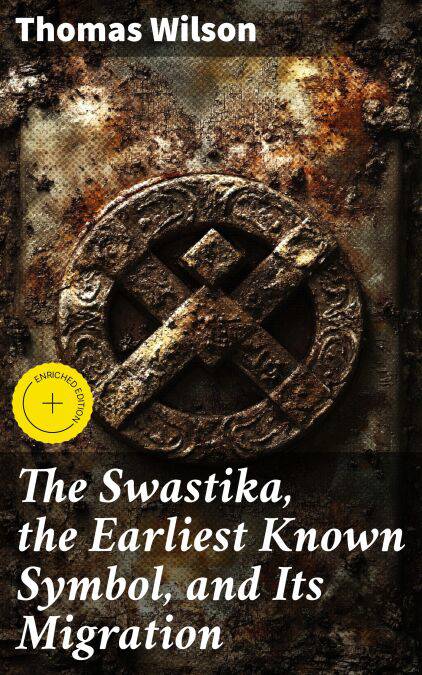
The Swastika, the Earliest Known Symbol, and Its Migration EBOOK
Enriched edition. With Observations on the Migration of Certain Industries in Prehistoric Times
Thomas Wilson
Ebook | Anglais
1,99 €
+ 1 points
Description
In "The Swastika, the Earliest Known Symbol, and Its Migration," Thomas Wilson delves into the ancient origins and extensive cultural significance of the swastika, tracing its metamorphosis as a symbol across various civilizations. This meticulously researched work combines art history, archaeology, and anthropology to explore how the swastika has been employed in diverse contexts, often diverging from its original connotations. Wilson's literary style is rigorous yet accessible, inviting readers to reflect on the implications of cultural symbols in a changing world, while situating the swastika within a broader discourse on symbolism and identity in human history. Thomas Wilson, a noted curator and scholar at the Smithsonian Institution in the late 19th century, dedicated much of his career to understanding and interpreting the intricacies of material culture. With a keen interest in ancient artifacts, Wilson's profound curiosity about the intersection of myth, art, and social dynamics informed his analysis of the swastika, as he sought to peel back layers of misunderstanding surrounding its symbolism throughout different epochs. I highly recommend Wilson's pivotal text to scholars, students, and general readers alike. This book not only illuminates a historically rich symbol but also serves as a cautionary tale about the mutable nature of meaning in cultural discourse. Through Wilson's masterful narrative, readers will gain an enriched perspective on the complexities of symbols and their potential to shape both identity and ideology.
In this enriched edition, we have carefully created added value for your reading experience:
- Hand‐picked Memorable Quotes shine a spotlight on moments of literary brilliance.
- Interactive footnotes clarify unusual references, historical allusions, and archaic phrases for an effortless, more informed read.
In this enriched edition, we have carefully created added value for your reading experience:
- Hand‐picked Memorable Quotes shine a spotlight on moments of literary brilliance.
- Interactive footnotes clarify unusual references, historical allusions, and archaic phrases for an effortless, more informed read.
Spécifications
Parties prenantes
- Auteur(s) :
- Editeur:
Contenu
- Nombre de pages :
- 11586
- Langue:
- Anglais
Caractéristiques
- EAN:
- 4057664636201
- Date de parution :
- 21-11-19
- Format:
- Ebook
- Protection digitale:
- Digital watermarking
- Format numérique:
- ePub



Seulement chez Librairie Club
+ 1 points sur votre carte client de Librairie Club
Cadeau


Les avis
Nous publions uniquement les avis qui respectent les conditions requises. Consultez nos conditions pour les avis.