


- Retrait en 2 heures
- Assortiment impressionnant
- Paiement sécurisé
- Toujours un magasin près de chez vous
- Retrait en 2 heures
- Assortiment impressionnant
- Paiement sécurisé
- Toujours un magasin près de chez vous



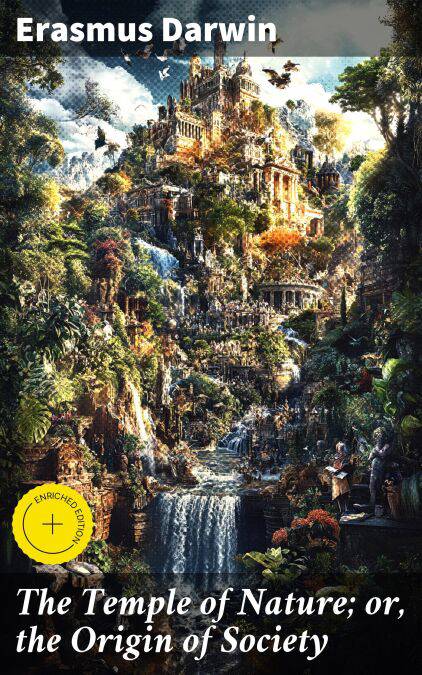
The Temple of Nature; or, the Origin of Society EBOOK
Enriched edition. A Poem, with Philosophical Notes
Erasmus Darwin
Ebook | Anglais
0,49 €
0,99 €
Format
Description
Erasmus Darwin's 'The Temple of Nature; or, the Origin of Society' is a visionary work that intricately weaves together themes of natural philosophy, evolutionary theory, and social commentary. Written in poetic verse, the book reflects the Enlightenment's intellectual climate, with its focus on reason and empirical evidence. Darwin employs rich, metaphoric language to explore the interplay between nature and human society, suggesting that the principles of evolution can illuminate not just the biological world but also the moral and political spheres of human life. The narrative spans from the origins of life to the complexities of human society, presenting a poignant examination of how natural laws shape social constructs and human relationships. Erasmus Darwin, a prominent 18th-century physician, poet, and naturalist, was deeply influenced by the scientific discoveries of his time, including the work of Charles Bonnet and the early concepts of evolution. His wide-ranging interests in botany, medicine, and philosophy fueled his desire to unite scientific inquiry with moral philosophy, prompting him to articulate a vision that demanded a re-evaluation of the relationship between humanity and the natural world. This provocative and intellectually stimulating text is highly recommended for readers intrigued by the intersections of science, philosophy, and literature. Darwin's insights into the evolution of society and his poetic exploration of nature will resonate with scholars and laypersons alike, offering a unique perspective on the origins of human morality and social order.
In this enriched edition, we have carefully created added value for your reading experience:
- A succinct Introduction situates the work's timeless appeal and themes.
- The Synopsis outlines the central plot, highlighting key developments without spoiling critical twists.
- A detailed Historical Context immerses you in the era's events and influences that shaped the writing.
- A thorough Analysis dissects symbols, motifs, and character arcs to unearth underlying meanings.
- Reflection questions prompt you to engage personally with the work's messages, connecting them to modern life.
- Hand‐picked Memorable Quotes shine a spotlight on moments of literary brilliance.
- Interactive footnotes clarify unusual references, historical allusions, and archaic phrases for an effortless, more informed read.
In this enriched edition, we have carefully created added value for your reading experience:
- A succinct Introduction situates the work's timeless appeal and themes.
- The Synopsis outlines the central plot, highlighting key developments without spoiling critical twists.
- A detailed Historical Context immerses you in the era's events and influences that shaped the writing.
- A thorough Analysis dissects symbols, motifs, and character arcs to unearth underlying meanings.
- Reflection questions prompt you to engage personally with the work's messages, connecting them to modern life.
- Hand‐picked Memorable Quotes shine a spotlight on moments of literary brilliance.
- Interactive footnotes clarify unusual references, historical allusions, and archaic phrases for an effortless, more informed read.
Spécifications
Parties prenantes
- Auteur(s) :
- Editeur:
Contenu
- Nombre de pages :
- 259
- Langue:
- Anglais
Caractéristiques
- EAN:
- 4057664639653
- Date de parution :
- 21-11-19
- Format:
- Ebook
- Protection digitale:
- Digital watermarking
- Format numérique:
- ePub


Seulement chez Librairie Club
Cadeau


Les avis
Nous publions uniquement les avis qui respectent les conditions requises. Consultez nos conditions pour les avis.