


- Retrait en 2 heures
- Assortiment impressionnant
- Paiement sécurisé
- Toujours un magasin près de chez vous
- Retrait en 2 heures
- Assortiment impressionnant
- Paiement sécurisé
- Toujours un magasin près de chez vous



Description
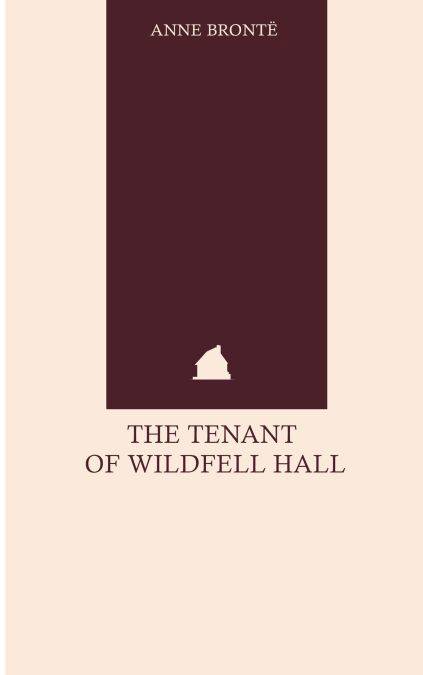
Anne Brontë's The Tenant of Wildfell Hall is a bold and groundbreaking novel that challenges the social conventions of its time while delivering a deeply emotional and compelling narrative. Often regarded as one of the earliest feminist works in English literature, the novel confronts issues of autonomy, morality, and the harsh realities of marriage with striking honesty and intensity.
The story begins when a mysterious woman, Helen Graham, arrives at the decaying Wildfell Hall with her young son, sparking curiosity and suspicion within the close-knit rural community. Independent, reserved, and unwilling to conform to social expectations, Helen becomes the subject of gossip and intrigue. Gilbert Markham, a local farmer, is drawn to her strength and quiet dignity, but as their relationship develops, secrets from Helen's past begin to surface.
Through a powerful narrative shift, Helen's own voice reveals the truth behind her sudden arrival. Her story exposes a deeply troubled marriage to Arthur Huntingdon, a man whose charm masks destructive behavior and moral decay. Refusing to accept a life of suffering and degradation, Helen makes a courageous and unconventional choice to protect herself and her child, defying the rigid norms of Victorian society.
Brontë's novel is remarkable for its unflinching portrayal of domestic hardship, personal resilience, and the consequences of vice and irresponsibility. It explores themes of independence, redemption, and the struggle for self-respect, offering a heroine whose strength lies in her moral conviction and determination to live on her own terms.
With its vivid characters, gripping structure, and powerful social commentary, The Tenant of Wildfell Hall remains a timeless and influential work. It is a story of courage, resistance, and the pursuit of dignity in the face of adversity—one that continues to resonate with modern readers for its honesty, depth, and enduring relevance.
The story begins when a mysterious woman, Helen Graham, arrives at the decaying Wildfell Hall with her young son, sparking curiosity and suspicion within the close-knit rural community. Independent, reserved, and unwilling to conform to social expectations, Helen becomes the subject of gossip and intrigue. Gilbert Markham, a local farmer, is drawn to her strength and quiet dignity, but as their relationship develops, secrets from Helen's past begin to surface.
Through a powerful narrative shift, Helen's own voice reveals the truth behind her sudden arrival. Her story exposes a deeply troubled marriage to Arthur Huntingdon, a man whose charm masks destructive behavior and moral decay. Refusing to accept a life of suffering and degradation, Helen makes a courageous and unconventional choice to protect herself and her child, defying the rigid norms of Victorian society.
Brontë's novel is remarkable for its unflinching portrayal of domestic hardship, personal resilience, and the consequences of vice and irresponsibility. It explores themes of independence, redemption, and the struggle for self-respect, offering a heroine whose strength lies in her moral conviction and determination to live on her own terms.
With its vivid characters, gripping structure, and powerful social commentary, The Tenant of Wildfell Hall remains a timeless and influential work. It is a story of courage, resistance, and the pursuit of dignity in the face of adversity—one that continues to resonate with modern readers for its honesty, depth, and enduring relevance.
Spécifications
Parties prenantes
- Auteur(s) :
- Editeur:
Contenu
- Nombre de pages :
- 590
- Langue:
- Anglais
Caractéristiques
- EAN:
- 9783254353993
- Date de parution :
- 27-03-26
- Format:
- Ebook
- Protection digitale:
- Digital watermarking
- Format numérique:
- ePub



Seulement chez Librairie Club
Cadeau


Les avis
Nous publions uniquement les avis qui respectent les conditions requises. Consultez nos conditions pour les avis.